 EZGOGO
Conference Interpretation Professional Guide for Vietnam
Conference interpretation requires meticulous planning and clear communication between your team and professional interpreters. This conference interpretation professional guide covers essential preparation steps, interpreter selection criteria, and on-site coordination protocols that ensure seamless multilingual business events. Discover actionable checklists and industry best practices for maximizing interpreter effectiveness at corporate conferences, board meetings, and complex negotiations in Vietnam's fast-growing business environment.
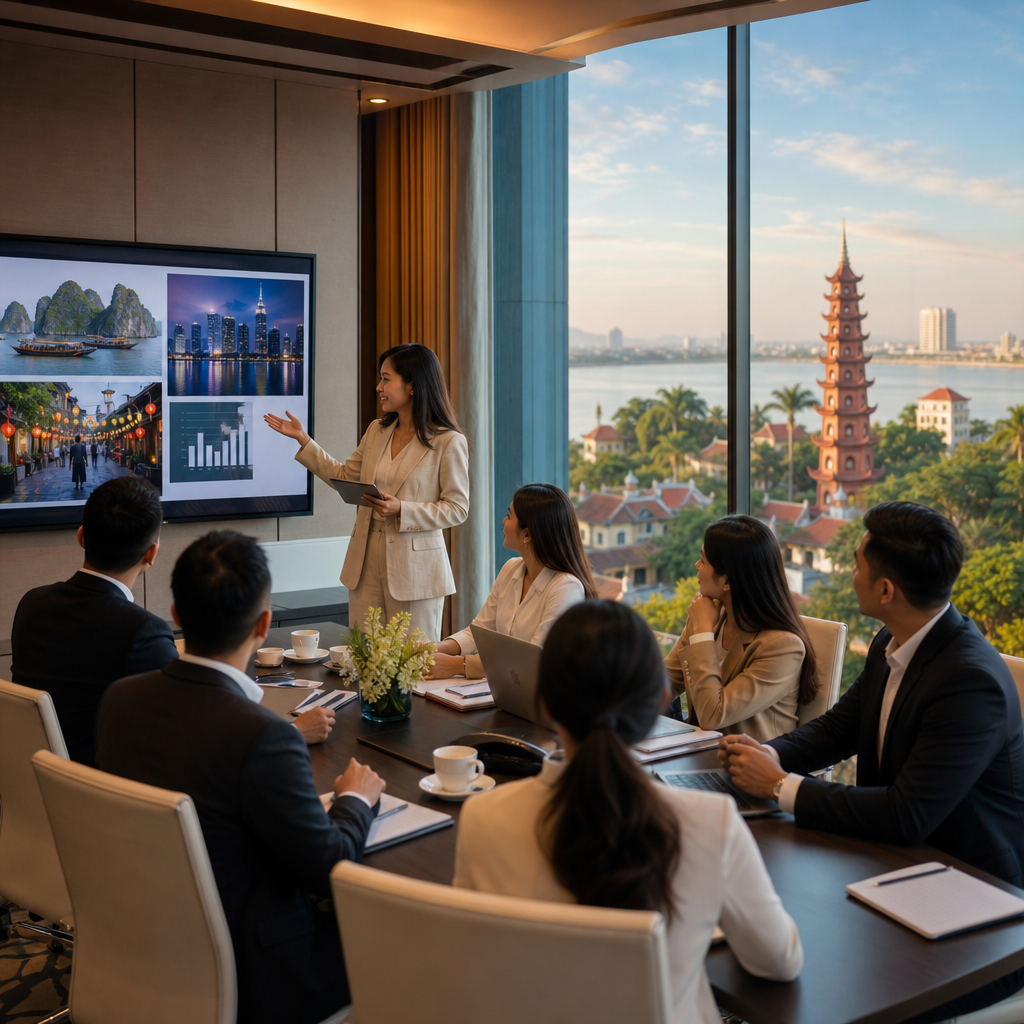
Preparing Your Team for Professional Conference Interpretation
Vietnam's manufacturing and export sectors have grown substantially, with multinational corporations increasingly hosting international conferences and business summits in Ho Chi Minh City, Hanoi, and Da Nang. Professional conference interpretation has become critical for companies navigating cross-border negotiations, technology transfers, and supply chain partnerships. Successful multilingual events demand coordination between your organization, technical teams, and skilled interpreters.
A conference interpretation professional guide serves as your roadmap for avoiding common pitfalls—unclear terminology handovers, inadequate technical setup, and interpreter burnout. This article consolidates industry best practices, practical checklists, and preparation strategies that foreign businesses and Vietnamese enterprises use to execute flawless high-stakes events.
Why Conference Interpretation Excellence Matters in Vietnam's Business Environment
Vietnam attracted over $19.24 billion in foreign direct investment in 2023, according to the General Statistics Office of Vietnam, creating demand for professional conference interpretation at trade conferences, joint venture meetings, and corporate announcements. Miscommunication during simultaneous interpretation can derail deals, damage credibility, and create legal liability. Investment in qualified interpreters directly reduces risk and builds stakeholder confidence.
The Scope of Conference Interpretation Services
Conference interpretation encompasses simultaneous interpretation (speakers and interpreters communicate in real time via headsets), consecutive interpretation (interpreter speaks after the primary speaker concludes), and whispered interpretation (the interpreter speaks quietly to a small audience subset). Each mode demands different preparation, equipment, and interpreter expertise. Understanding which mode suits your event is the first strategic decision.
Question 1: What qualifications should I look for in a conference interpretation professional?
A qualified conference interpretation professional should hold recognized certifications (AIIC membership or equivalent), possess 5+ years of specialized experience in your industry sector, and demonstrate fluency in your target language pair with verified references from comparable events.
Certification, Education, and Specialized Expertise
The International Association of Conference Interpreters (AIIC) establishes global standards for professional conference interpreters. Vietnamese interpreters certified through AIIC or similar bodies have completed rigorous training in simultaneous interpretation, ethics, and specialized terminology. Verify certifications directly with AIIC or local Vietnamese interpreter associations. Industry specialization—pharmaceutical, manufacturing, technology, finance—matters significantly because technical vocabulary differs dramatically across sectors.
- AIIC membership: Indicates commitment to professional development, ethical practices, and minimum experience thresholds.
- Language certification: Look for translator/interpreter credentials from recognized institutions; C2-level language proficiency (near-native fluency) is the baseline for simultaneous interpretation.
- Sector expertise: Request examples of previous conferences in your industry to verify familiarity with domain-specific terminology and concepts.
Verifying Experience and References
Ask candidates for contact information from recent clients (within the past two years) and inquire about event size, duration, technical complexity, and participant feedback. Request a portfolio of terminology lists, glossaries, and industry reports the interpreter has worked with previously. A strong conference interpretation professional guide emphasizes that reference checks should address whether the interpreter remained energized through multi-day events and handled high-pressure moments professionally.
Question 2: How do I prepare meeting materials for simultaneous interpretation?
Provide your interpreter with all presentation slides, speaker notes, glossaries, and background documents at least 5–7 days before the event, and schedule a 1–2 hour terminology review session to clarify specialized terminology and pronunciation.
Documentation and Glossary Development
Conference interpretation quality depends heavily on preparation materials. Compile a master glossary containing technical terms, product names, company-specific jargon, speaker names, and acronyms with their definitions in both languages. For example, if discussing "carbon fiber reinforced polymers" or "digital twin manufacturing," ensure the interpreter understands not just the translation but the technical context. A comprehensive glossary accelerates cognitive processing during live interpretation and reduces hesitation or inaccuracy.
- Master glossary format: Three-column spreadsheet: English term | Vietnamese translation | Definition/context.
- Acronym list: Include all acronyms spelled out with definitions; interpret unfamiliar acronyms aloud during the event to aid audience comprehension.
- Speaker pronunciation guide: Phonetic spellings of difficult names, company names, or non-English words ensure interpreter confidence and audience clarity.
Slide Decks and Speaker Notes
Distribute presentation slides (PDF or PowerPoint) and full speaker notes to your interpreter at least one week ahead. If speakers will ad-lib or deviate from notes, notify the interpreter so they're mentally prepared for tangents. Request that speakers avoid reading slides verbatim and instead highlight key points orally. This practice allows the interpreter to focus on nuanced language rather than merely restating visual text, improving interpretation quality.
Question 3: What are the key logistics for multi-day conference interpretation?
For multi-day events, hire a minimum of two interpreters per language to rotate every 20–30 minutes, arrange dedicated rest breaks and quiet spaces, and maintain a contingency interpreter on standby in case of illness or emergency.
Interpreter Team Rotation and Burnout Prevention
Simultaneous interpretation is cognitively exhausting; fatigue degrades accuracy after 20–30 minutes of continuous work. Professional conference interpretation standards recommend pairing two interpreters per language booth who alternate briefly, allowing each to rest and recharge. For a three-day event with 8 hours of daily sessions, budget four interpreters per language pair minimum. Provide interpreters with private rest areas, refreshments, ergonomic seating, and breaks between sessions. Burnout directly impacts final-hour quality—a well-rested interpreter delivers superior service.
- Rotation schedule: Coordinate 20–30 minute rotation shifts; distribute copies to all team members and interpreters before day one begins.
- Rest facilities: Designate a quiet room away from conference noise where interpreters can decompress between sessions.
- Catering and hydration: Provide water, light snacks, and meals; avoid heavy foods that cause fatigue during interpretation shifts.
Contingency Planning and Equipment Redundancy
Illness, transportation delays, or equipment failure can disrupt interpretation services. Keep a vetted backup interpreter on retainer for the event duration, even if not actively interpreting. Ensure audio-visual teams have duplicate microphones, headset batteries, and communication cables. Test all equipment the day before the event with the actual interpreters wearing the headsets. A contingency-aware conference interpretation professional guide includes written contact protocols: if the primary interpreter cannot attend, who calls the backup? What's the timeline for notification?
Question 4: How should I brief my interpreter before the event?
Hold a 60–90 minute in-person or video briefing 1–2 days before the event, covering agenda flow, speaker profiles, key discussion topics, cultural context, and any unusual logistics or sensitive subjects that might affect interpretation tone.
Content and Context Briefing
Walk your interpreter through the complete agenda: start time, session titles, speaker order, break times, and expected duration of each segment. Explain the audience demographic (executives, engineers, investors, government officials) because interpretation register and formality level must match audience expectations. Describe the key business objectives: Is this a product launch, merger announcement, or technical training? Understanding purpose helps the interpreter prioritize clarity for business-critical content. Discuss any sensitive topics—labor practices, environmental compliance, pricing strategy—that require accurate, neutral interpretation.
- Speaker background: Share speaker credentials, accent patterns, speaking pace, and whether they tend to use slides as notes or speak extemporaneously.
- Audience profile: Confirm whether attendees speak English as a first or second language, and whether Vietnamese participants have technical expertise that allows for sophisticated terminology.
- Business context: Explain why this event matters to the company; interpreters who understand stakes perform better under pressure and make more contextually appropriate word choices.
Technical and Logistical Walkthrough
During the briefing, physically show the interpreter the booth layout, microphone placement, headset comfort and positioning, and how to adjust volume on interpreter consoles. Explain where speakers will stand or sit, where the projector screen is located, and how to signal technical staff if equipment fails. Clarify chain of command: Who is the primary contact if the interpreter needs to flag a concern? How will time signals be communicated? A thorough walkthrough eliminates confusion on event day and allows the interpreter to focus entirely on language delivery.
Question 5: What technical setup ensures quality simultaneous interpretation delivery?
Use professional simultaneous interpretation equipment with dedicated interpreter booths, wireless headsets with redundant channels, independent audio mixing consoles, and backup power supplies; conduct full technical rehearsals with live speakers 24 hours before the event.
Booth Design and Acoustic Environment
A proper interpretation booth isolates the interpreter from audience noise while providing clear speaker audio through independent monitoring channels. Booths should have sound-dampening panels, adequate ventilation (simultaneous interpretation generates heat), and a small window or camera feed enabling the interpreter to see speakers. Equipment should include individual mixing consoles for each interpreter, allowing them to adjust speaker audio volume without affecting others. Poor booth design forces interpreters to lip-read or guess words, destroying accuracy. Invest in professional booth rental or construction for high-stakes events.
- Acoustic isolation: Booths must reduce ambient conference noise to below 60 decibels; use movable, sound-absorbing panels or prefabricated interpretation booths rated for professional use.
- Independent monitoring: Each interpreter should have a separate audio feed, volume control, and headset with mute capability for team consultation.
- Visual access: Install a small window, closed-circuit TV feed, or speaker camera angle so interpreters see facial expressions, gestures, and slides simultaneously.
Audio Distribution and Redundancy Systems
Distribute interpreter audio feeds to audience members via wireless receivers or headsets tuned to distinct channels (Channel 1 for English, Channel 2 for Vietnamese, etc.). Use a professional audio mixer with built-in backup and recording capability. Test all wireless frequencies for interference with mobile networks or nearby hotels. ezgogo.app can connect you with Vietnam-based interpretation professionals who understand local audio-visual infrastructure and vendor relationships in Hanoi and Ho Chi Minh City. Conduct a full sound check with live speakers 24 hours ahead; never rely on equipment functionality assumptions.
Conclusion
Mastering conference interpretation professional practices—from interpreter selection through post-event logistics—transforms multilingual business events from risky ventures into controlled, successful communications. Vietnam's rapidly expanding role in global manufacturing, technology, and investment demands flawless conference interpretation at trade shows, board meetings, and corporate announcements. By following this structured guide, your organization reduces liability, builds stakeholder confidence, and ensures executives and partners leave with clarity and goodwill.
As your next international conference or business summit approaches, begin preparation eight weeks ahead by identifying certified interpreters, compiling glossaries, and coordinating logistics with your AV team. The investment in thorough planning and skilled professional interpreters pays dividends in audience comprehension, deal closure, and organizational reputation. Explore experienced interpreter-companion services through ezgogo.app to connect with vetted professionals who specialize in conference interpretation across Vietnam's major business centers.
Sources
- General Statistics Office of Vietnam — Foreign Direct Investment Statistics 2023
- Vietnam Investment Review — FDI and Business Summit Coverage
- International Association of Conference Interpreters (AIIC) — Professional Standards and Certification
- VnExpress Business — Manufacturing and Trade Conference Reports
- Reuters — Vietnam Business and Manufacturing News
Frequently Asked Questions
Question 1: What qualifications should I look for in a conference interpretation professional?
A qualified conference interpretation professional should hold recognized certifications (AIIC membership or equivalent), possess 5+ years of specialized experience in your industry sector, and demonstrate fluency in your target language pair with verified references from comparable events.
Question 2: How do I prepare meeting materials for simultaneous interpretation?
Provide your interpreter with all presentation slides, speaker notes, glossaries, and background documents at least 5–7 days before the event, and schedule a 1–2 hour terminology review session to clarify specialized terminology and pronunciation.
Question 3: What are the key logistics for multi-day conference interpretation?
For multi-day events, hire a minimum of two interpreters per language to rotate every 20–30 minutes, arrange dedicated rest breaks and quiet spaces, and maintain a contingency interpreter on standby in case of illness or emergency.
Question 4: How should I brief my interpreter before the event?
Hold a 60–90 minute in-person or video briefing 1–2 days before the event, covering agenda flow, speaker profiles, key discussion topics, cultural context, and any unusual logistics or sensitive subjects that might affect interpretation tone.
Question 5: What technical setup ensures quality simultaneous interpretation delivery?
Use professional simultaneous interpretation equipment with dedicated interpreter booths, wireless headsets with redundant channels, independent audio mixing consoles, and backup power supplies; conduct full technical rehearsals with live speakers 24 hours before the event.
Need a local companion or interpreter in Vietnam?
Browse verified companions for language support, factory visits, and authentic local experiences.
Find a Companion →