 EZGOGO
Da Nang food tour guide: Meet Minh Tran’s Local Food Guide
Da Nang’s food scene stretches far beyond famous mì Quảng and bánh xèo. Meet Minh Tran, a Da Nang food tour guide who helps international visitors understand what they are eating, how locals order it, and why each dish belongs to a particular neighborhood or tradition. From early-market breakfasts to late-night seafood, Minh combines practical Vietnamese food translation with cultural interpretation. This profile explores how a local guide Da Nang visitors can trust turns a meal into a meaningful conversation, helping travelers navigate menus, dining customs, ingredients, and the stories behind the city’s most memorable street food.
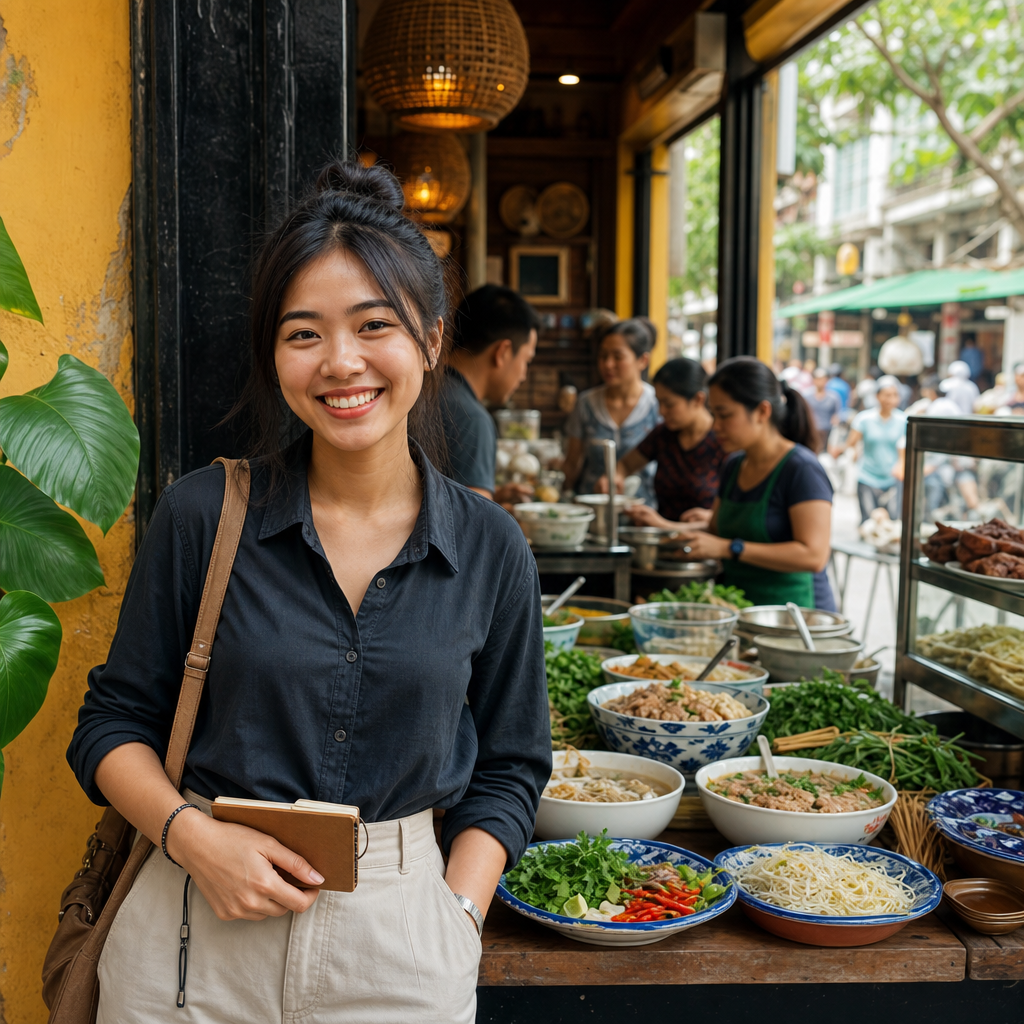
Da Nang’s Food Story Starts Beyond the Menu
Da Nang is widely known for its beaches, bridges, and growing tourism economy, but its strongest local stories are often served in small bowls and busy market stalls. Regional dishes reflect central Vietnam’s bold balance of salt, spice, herbs, seafood, and fermented flavors. For international visitors, understanding that context can make an ordinary meal far more memorable.
Minh Tran approaches the city as both a Vietnamese food translator and a cultural interpreter. Rather than translating every word literally, Minh explains how dishes are ordered, shared, seasoned, and connected to everyday life. That extra context helps visitors feel more confident in neighborhoods where menus may be brief, informal, or written only in Vietnamese.
Food as a Map of Central Vietnam
Da Nang’s cuisine sits within the wider culinary culture of central Vietnam, where intense flavors and careful preparation are common. Mì Quảng, bánh tráng cuốn thịt heo, bún chả cá, and seafood dishes each offer a different view of local ingredients and habits. A knowledgeable guide can show how geography, migration, and family traditions shape what appears on the table.
The Value of Personal Context
Menus can identify ingredients, but they rarely explain why a dish is eaten at breakfast, which herbs should be added, or when a dipping sauce is considered too strong. Minh fills those gaps through conversation and observation. This is the difference between receiving a translation and gaining cultural interpretation that makes the meal easier to understand.
Question 1: Why does Da Nang deserve a dedicated food guide?
Da Nang deserves a dedicated food guide because its best food experiences are spread across markets, family-run eateries, seafood streets, and neighborhood stalls rather than concentrated in one tourist district.
A City with Distinct Food Neighborhoods
Visitors staying near the beach may see a polished restaurant scene, while local breakfast shops and market vendors operate only a short ride away. The city’s rapid growth has brought more international dining, but traditional dishes remain part of daily routines. A local guide Da Nang visitors can rely on helps connect those different layers without treating the city as a single dining zone.
- Neighborhood knowledge: Minh can match dishes and dining styles with the areas where they are most naturally found.
- Timing: A guide knows which stalls are busiest in the morning, afternoon, or evening.
- Local perspective: Food becomes a way to understand work patterns, family habits, and community life.
Beyond the Tourist Checklist
A dedicated guide can also adjust a route around weather, dietary needs, travel schedules, and comfort levels. Instead of rushing through a fixed list of famous foods, visitors can ask why one dish is associated with a particular meal or occasion. That flexibility is especially useful for travelers seeking an authentic experience without sacrificing clarity or convenience.
Question 2: What does Minh Tran explain beyond translation?
Minh explains the social meaning behind dishes, including ordering etiquette, ingredient combinations, sharing customs, and the neighborhood stories that a literal translation cannot provide.
From Words to Dining Customs
Vietnamese food names often describe an ingredient, cooking method, or regional style, but the name alone may not reveal how the dish is served. Minh can explain whether diners mix ingredients themselves, add herbs gradually, or share plates at the center of the table. These details reduce uncertainty and let visitors participate naturally rather than simply watch.
- Ordering: Visitors learn how to request portions, toppings, spice levels, and substitutions clearly.
- Eating style: Minh explains sauces, herbs, utensils, and shared dishes without turning customs into rigid rules.
- Storytelling: Neighborhood history and personal memories give each stop a stronger sense of place.
Why Cultural Interpretation Matters
Cultural interpretation is particularly valuable when a dish includes unfamiliar textures, fermented ingredients, or strong aromatics. A guide can describe what to expect while respecting local traditions and individual preferences. For visitors conducting business in Vietnam, this understanding can also support more relaxed conversations during informal meals with colleagues or partners.
Question 3: Which Da Nang foods should visitors explore first?
First-time visitors should consider mì Quảng, bún chả cá, bánh tráng cuốn thịt heo, bánh xèo, and fresh seafood, while allowing a guide to choose the best preparation and setting.
Signature Dishes with Local Character
Mì Quảng is associated with central Vietnam and is typically served with noodles, a small amount of rich broth, herbs, peanuts, and proteins such as shrimp or pork. Bún chả cá offers another perspective through fish cakes, noodles, vegetables, and a fragrant broth. Minh’s role is to explain how each dish is assembled and why versions can differ between vendors.
- Mì Quảng: A layered noodle dish that rewards careful mixing of broth, herbs, peanuts, and toppings.
- Bánh xèo: A crisp savory pancake commonly paired with herbs, greens, and dipping sauce.
- Seafood: A practical way to experience Da Nang’s coastal setting and lively evening dining culture.
Choosing the Right First Bite
There is no universal best route because tastes, allergies, budgets, and schedules vary. A street food expert can begin with familiar flavors before introducing fermented sauces, offal, or stronger spices. Minh can also explain whether a vendor is known for a particular specialty, helping visitors prioritize quality and local relevance over the number of stops.
Question 4: How does a local guide make street food easier?
A local guide makes street food easier by handling practical communication, identifying suitable vendors, explaining prices and portions, and helping visitors navigate unfamiliar dining environments.
Confidence at Busy Stalls
Street food often moves quickly, especially during breakfast and evening rushes. Visitors may need to choose a seat, signal an order, recognize condiments, and settle the bill with little written information. Minh can manage Vietnamese food translation in real time while keeping the experience conversational, so guests remain engaged with the food rather than focused on logistics.
- Menu support: Ingredients and preparation methods are explained before visitors commit to an order.
- Dietary clarity: Questions about seafood, meat, peanuts, spice, and sauces can be communicated directly.
- Practical navigation: Routes can account for traffic, weather, walking distance, and the pace of the group.
Respectful, Responsible Visits
Good guiding also means respecting vendors and local routines. Smaller eateries may have limited seating, fixed preparation methods, or no capacity for complicated changes. By setting expectations and encouraging considerate behavior, Minh helps visitors enjoy local food while recognizing that these businesses serve residents first.
Question 5: Who benefits most from a guided food experience?
A guided food experience benefits first-time visitors, international business travelers, families, and anyone who wants cultural context alongside a meal rather than a restaurant list alone.
Useful for Business Travelers
Business visitors often have limited free time and may need a reliable way to experience Da Nang between meetings. A focused route can introduce regional dishes without requiring hours of independent research. When food is shared with Vietnamese colleagues, Minh’s explanations can also help guests understand polite conversation, ordering rhythms, and the social value of the meal.
- Short schedules: A route can be planned around meetings, hotel locations, and transport time.
- International groups: Different dietary preferences and comfort levels can be addressed in one itinerary.
- Meaningful networking: Food provides a natural setting for conversation beyond formal business agendas.
A Stronger Experience for Curious Travelers
Independent exploration remains rewarding, but a personal guide adds questions that travelers may not know to ask. Minh can connect ingredients with local history, explain changing food habits, and recommend places suited to a visitor’s interests. Travelers who want to continue exploring can use ezgogo.app to find interpreter-companions for food, business, and cultural experiences across Vietnam.
Conclusion
Da Nang’s food scene is best understood as a living part of the city, not simply a collection of dishes to photograph. Minh Tran combines language support, neighborhood knowledge, and cultural interpretation to help visitors understand what they are eating and how local dining fits into everyday life. The result is a more confident, respectful, and memorable experience.
Whether you are visiting for a short holiday or a demanding business schedule, a skilled Da Nang food tour guide can turn limited time into meaningful discovery. Explore ezgogo.app when planning your next Vietnam trip and connect with interpreter-companions who can help you experience the city beyond the surface.
Sources
- General Statistics Office of Vietnam — Socio-economic situation in the fourth quarter and 2023
- Vietnam Briefing — Vietnam’s Tourism Sector in 2024
- Vietnam Tourism — 10 Must-Try Dishes in Da Nang
- Vietnam Tourism — Central Vietnam Food Guide
- Reuters — Vietnam tourism rebounds after pandemic disruption
Frequently Asked Questions
Question 1: Why does Da Nang deserve a dedicated food guide?
Da Nang deserves a dedicated food guide because its best food experiences are spread across markets, family-run eateries, seafood streets, and neighborhood stalls rather than concentrated in one tourist district.
Question 2: What does Minh Tran explain beyond translation?
Minh explains the social meaning behind dishes, including ordering etiquette, ingredient combinations, sharing customs, and the neighborhood stories that a literal translation cannot provide.
Question 3: Which Da Nang foods should visitors explore first?
First-time visitors should consider mì Quảng, bún chả cá, bánh tráng cuốn thịt heo, bánh xèo, and fresh seafood, while allowing a guide to choose the best preparation and setting.
Question 4: How does a local guide make street food easier?
A local guide makes street food easier by handling practical communication, identifying suitable vendors, explaining prices and portions, and helping visitors navigate unfamiliar dining environments.
Question 5: Who benefits most from a guided food experience?
A guided food experience benefits first-time visitors, international business travelers, families, and anyone who wants cultural context alongside a meal rather than a restaurant list alone.
Need a local companion or interpreter in Vietnam?
Browse verified companions for language support, factory visits, and authentic local experiences.
Find a Companion →