 EZGOGO
Factory Visit Interpretation Checklist: Safe & Accurate Communication
Visiting a manufacturing facility in Vietnam requires more than just showing up with a translator. A comprehensive factory visit interpretation checklist ensures safety, accuracy, and productive dialogue between foreign buyers and local producers. Learn the critical pre-visit preparation steps, technical terminology briefings, and real-time communication strategies that transform factory tours into successful business outcomes.
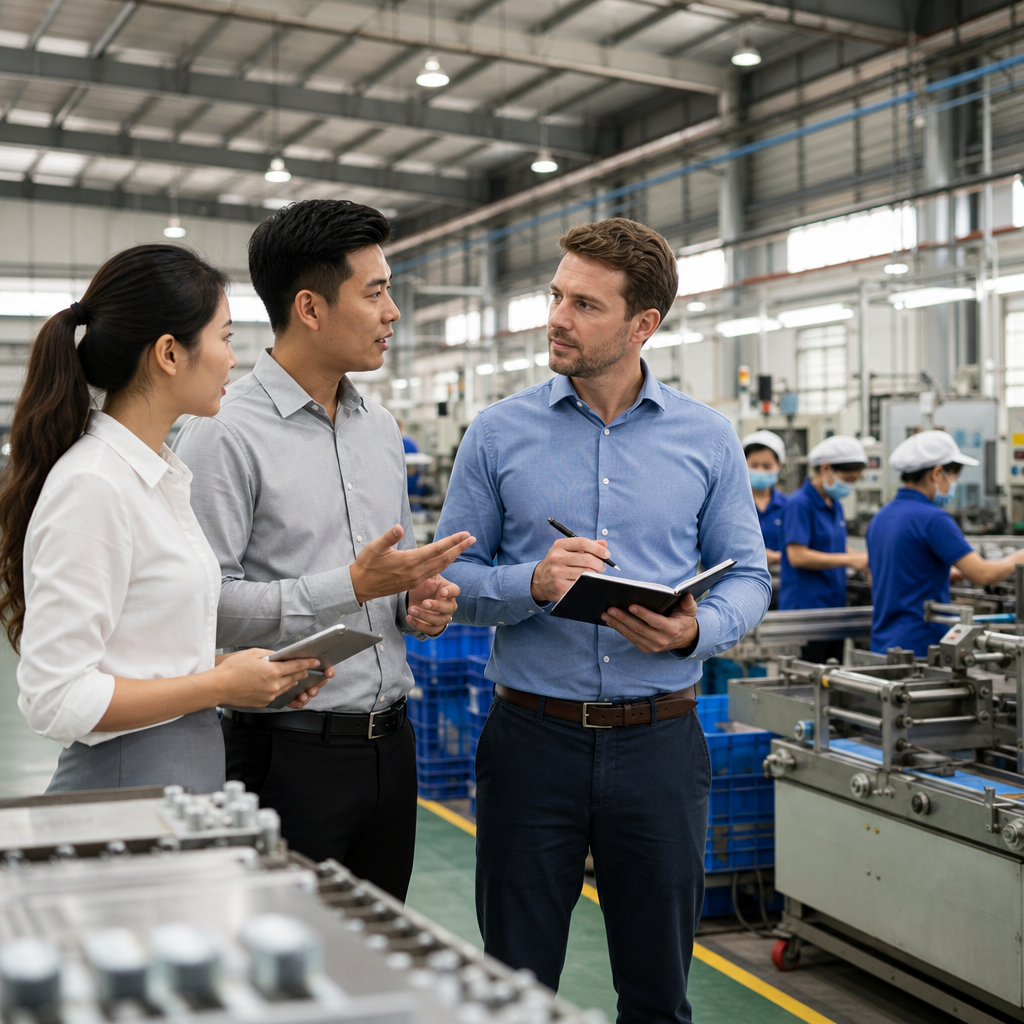
Why Factory Visit Interpretation Matters in Vietnam Manufacturing
Vietnam's manufacturing sector generated approximately $271 billion in exports in 2023, according to the General Statistics Office of Vietnam (GSO), making factory visits critical for foreign buyers verifying quality and capacity. Miscommunication during site inspections—whether about production timelines, safety standards, or technical specifications—can derail deals or create liability issues.
A professional factory visit interpretation checklist bridges language and cultural gaps, ensuring every stakeholder understands production processes, compliance measures, and commercial terms accurately. Without proper preparation, visitors miss critical details or misinterpret critical information about manufacturing site communication protocols.
The Cost of Poor Interpretation in Factory Settings
Factory environments present unique communication challenges: loud machinery, technical jargon, rapid-fire discussions, and safety-critical information all demand precise language transfer. A single mistranslation about material specifications or equipment maintenance can lead to product defects, delayed shipments, or workplace incidents.
Vietnam's Growing Manufacturing Import-Export Hub Status
With manufacturing output rising annually, Vietnam attracts foreign investment across textiles, electronics, automotive, and chemicals sectors. Business visitors from North America, Europe, and Asia increasingly rely on interpreters to navigate factory floors where technical accuracy directly impacts procurement decisions and partnership viability.
Question 1: What Should You Prepare Before a Factory Tour?
Pre-visit preparation includes scheduling a briefing session with your interpreter, providing company background and visit objectives, sharing industry-specific terminology lists, and confirming safety requirements and site access rules in advance.
Scheduling and Communication with Your Interpreter
Contact your interpreter at least five to seven business days before the factory visit interpretation session. Provide the factory's full name, location, production focus, and your company's goals for the visit. Share the factory's website, product catalogs, and any previous communications to help your interpreter familiarize themselves with context.
- Interpreter briefing call: Conduct a 30-minute preparation call to review agenda, clarify expectations, and discuss potential technical challenges.
- Itinerary confirmation: Ensure your interpreter knows visit duration, departments you'll tour, and key people you'll meet.
- Accessibility and comfort: Confirm your interpreter can arrive early, has appropriate footwear for factory conditions, and understands break schedules.
Defining Visit Objectives and Scope
Clearly articulate why you're visiting: quality assurance inspection, capacity assessment, compliance verification, or new supplier evaluation. Share this scope with your interpreter so they understand which conversations matter most and can prioritize accurate terminology use in those areas.
Question 2: How Do You Brief Your Interpreter on Technical Terminology?
Provide your interpreter with a glossary of industry-specific terms, product names, equipment types, and quality standards at least three days before the visit, and conduct a 20–30 minute terminology walkthrough covering pronunciation and context.
Creating an Accurate Technical Glossary
Compile a bilingual (English–Vietnamese) glossary specific to your industry. Include product components, manufacturing processes, quality metrics, certifications, and equipment names. Format it alphabetically or by category (e.g., machinery, materials, standards) and provide phonetic spellings for challenging technical terms so your interpreter can study pronunciation accurately.
- Material specifications: Include fabric weights, chemical properties, or alloy compositions unique to your products.
- Quality standards: List certifications (ISO, OEKO-TEX, FDA compliance) and testing protocols you'll discuss.
- Equipment names: Provide Vietnamese names for machinery, tools, and production lines you'll observe.
Terminology Practice and Pronunciation Review
Schedule a virtual or in-person session with your interpreter 2–3 days before the visit. Walk through the glossary together, focusing on terms you'll rely on most during discussions. Ask your interpreter to repeat terms aloud and use them in sample sentences so they internalize context and feel confident using them naturally during manufacturing site communication.
Question 3: What Safety Protocols Must Be Clarified?
Before entering a factory, confirm all mandatory safety equipment requirements, hazard warnings, emergency procedures, and liability protocols with your interpreter so they can relay these clearly to you and any other visitors.
Safety Equipment and Protective Gear
Factories require personal protective equipment (PPE): hard hats, safety glasses, steel-toed shoes, gloves, and sometimes respirators. Your interpreter must understand which areas require which gear, why, and how to communicate PPE requirements clearly. Ask the factory in advance what PPE is mandatory, then have your interpreter explain this to you so misunderstandings don't delay entry.
- Hazard zones: Identify which factory areas have restricted access and why—electrical hazards, chemical exposure, or machinery danger.
- Emergency exits: Your interpreter should confirm where emergency exits are and what alarms sound like.
- Medical response: Ask your interpreter to clarify how the factory handles workplace injuries and where the first-aid station is located.
Liability and Compliance Communication
Most factories require visitors to sign liability waivers or safety acknowledgment forms. Your interpreter must translate these accurately so you understand what you're agreeing to. Discuss any worker privacy rules, photography restrictions, or information confidentiality agreements your interpreter should relay during the visit.
Question 4: How Do You Manage Real-Time Communication on the Factory Floor?
During the tour, maintain close proximity to your interpreter, use simple sentence structures, pause frequently for translation, avoid idioms, take notes together, and confirm understanding after each major point discussed with factory staff.
Positioning and Active Listening Strategies
Stand near your interpreter at all times so they hear both you and factory personnel clearly. Speak slowly and in short sentences—rushing or using complex structures increases mistranslation risk in noisy factory environments. Pause after every 2–3 sentences to allow your interpreter time to translate accurately without guessing or paraphrasing.
- Avoid colloquialisms: Skip idioms, slang, or industry shorthand your interpreter might not understand or translate literally.
- Repetition: Ask your interpreter to repeat key numbers, dates, or specifications back to you aloud to confirm accuracy.
- Visual confirmation: Point to equipment or products as you discuss them so visual cues reinforce verbal translation.
Documenting and Verifying Information
Take notes during the tour and ask your interpreter to verify details immediately afterward. If production capacity, lead times, or quality metrics sound unclear, ask clarifying questions before leaving the factory floor. Your interpreter is your accuracy checkpoint—trust their expertise and encourage them to flag any ambiguous statements.
Question 5: What Should You Document After the Factory Visit?
Within 24 hours of your factory tour, review your notes with your interpreter, clarify any uncertain points via follow-up communication, compile a summary of key findings, and share next steps with factory management through your interpreter if needed.
Post-Visit Debriefing with Your Interpreter
Schedule a brief call with your interpreter the day after your factory visit interpretation session. Review your notes together, clarify anything that felt unclear or might have been mistranslated, and discuss your overall impressions. Your interpreter often catches details you missed and can provide cultural context about factory practices or management styles you observed.
- Clarification follow-ups: Email the factory with any unanswered technical questions, and have your interpreter draft Vietnamese versions if direct contact is needed.
- Summary documentation: Create a brief report listing factory capabilities, quality certifications, production timelines, and any concerns identified during your visit.
- Interpreter feedback: Ask your interpreter about factory culture, worker morale, and management responsiveness—their on-site observations add value beyond translation.
Building Ongoing Communication Channels
If you plan multiple factory visits or ongoing supplier relationships, retain your interpreter's contact information for future communication. Consistency builds familiarity with your industry terminology and business objectives. Consider using ezgogo.app to book the same interpreter for repeat factory tours so they develop deeper understanding of your supply chain needs over time.
Conclusion
A factory visit interpretation checklist transforms manufacturing site communication from a source of anxiety into a structured, productive process. By preparing your interpreter thoroughly, briefing them on technical terminology, clarifying safety protocols, and maintaining active listening during the tour, you eliminate costly miscommunications and make informed partnership decisions.
Vietnam's booming manufacturing sector demands precision in every buyer-supplier interaction. When planning your next factory visit, prioritize interpreter preparation and follow this checklist to ensure safety, accuracy, and business success. Professional interpreter-companions are available through ezgogo.app to support your Vietnam business visits with industry expertise and local knowledge.
Sources
- General Statistics Office of Vietnam — Manufacturing & Export Data 2023
- VN Economy — Vietnam Manufacturing Sector Growth Report
- VietnamNet Business — Foreign Direct Investment in Manufacturing
- Reuters — Vietnam Manufacturing & Supply Chain Updates
- BIMCO — Industrial Workplace Communication Standards
Frequently Asked Questions
Question 1: What Should You Prepare Before a Factory Tour?
Pre-visit preparation includes scheduling a briefing session with your interpreter, providing company background and visit objectives, sharing industry-specific terminology lists, and confirming safety requirements and site access rules in advance.
Question 2: How Do You Brief Your Interpreter on Technical Terminology?
Provide your interpreter with a glossary of industry-specific terms, product names, equipment types, and quality standards at least three days before the visit, and conduct a 20–30 minute terminology walkthrough covering pronunciation and context.
Question 3: What Safety Protocols Must Be Clarified?
Before entering a factory, confirm all mandatory safety equipment requirements, hazard warnings, emergency procedures, and liability protocols with your interpreter so they can relay these clearly to you and any other visitors.
Question 4: How Do You Manage Real-Time Communication on the Factory Floor?
During the tour, maintain close proximity to your interpreter, use simple sentence structures, pause frequently for translation, avoid idioms, take notes together, and confirm understanding after each major point discussed with factory staff.
Question 5: What Should You Document After the Factory Visit?
Within 24 hours of your factory tour, review your notes with your interpreter, clarify any uncertain points via follow-up communication, compile a summary of key findings, and share next steps with factory management through your interpreter if needed.
Need a local companion or interpreter in Vietnam?
Browse verified companions for language support, factory visits, and authentic local experiences.
Find a Companion →