 EZGOGO
Hanoi food culture guide: A Weekend of Local Flavor
A Hanoi food culture guide can turn a short weekend into a deeper journey through steaming bowls of pho, busy markets, historic lanes, and family-run eateries. Hanoi’s culinary identity is shaped by northern Vietnamese traditions, seasonal ingredients, and the city’s layered cultural heritage. This guide outlines a practical two-day cultural itinerary, explains what to eat and where to explore, and shows how a Hanoi private guide or interpreter-companion can help visitors navigate menus, customs, and conversations. From the Old Quarter to West Lake, discover how to build a memorable local dining experience without rushing through the city.
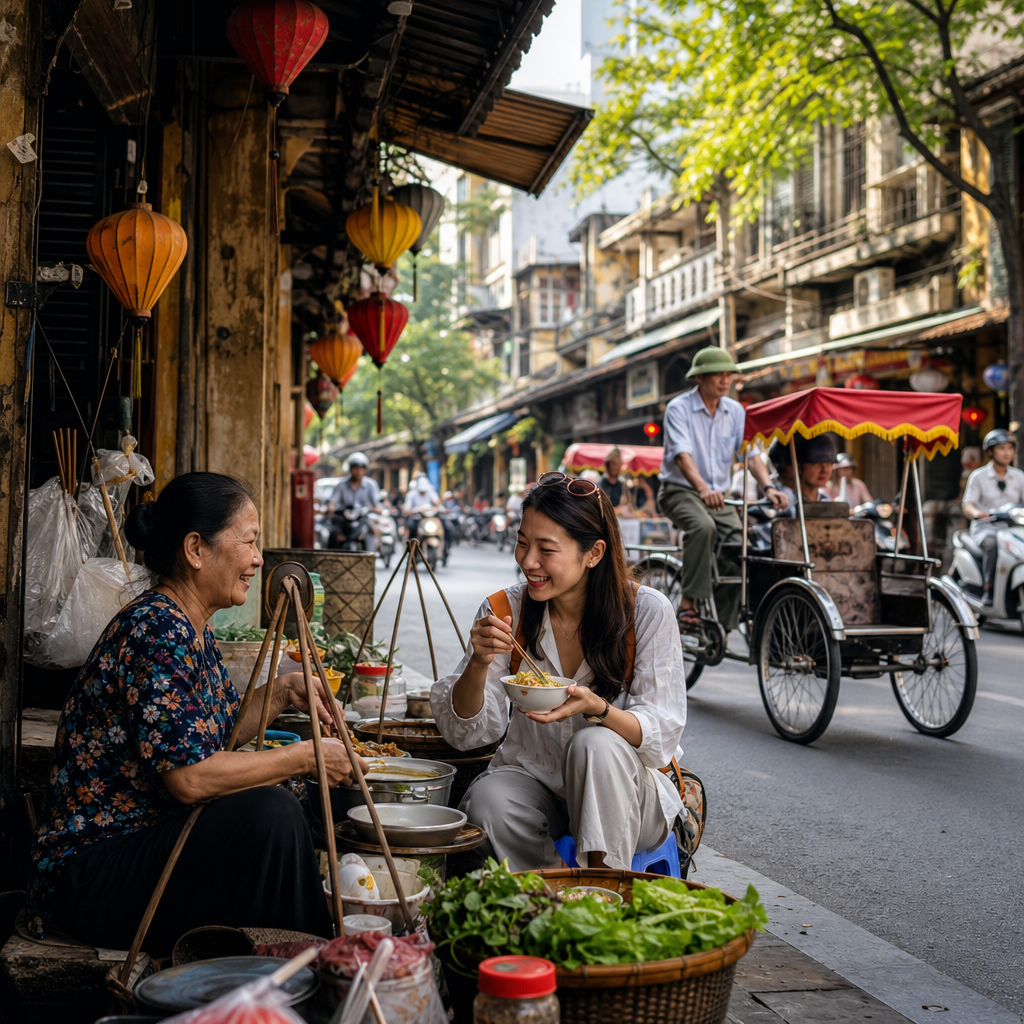
Planning a Weekend Around Hanoi’s Food Heritage
Hanoi rewards travelers who slow down. The capital’s compact central districts bring together centuries-old temples, French-colonial buildings, traditional markets, and small restaurants where recipes are prepared for local regulars. A weekend focused on food and culture offers a more personal way to understand the city than a checklist of major attractions.
A thoughtful Hanoi food culture guide should balance famous dishes with neighborhood context. Visitors can explore on foot, use short taxi or ride-hailing trips between districts, and leave room for spontaneous stops. The best plans also account for opening hours, weather, traffic, and the practical challenges of ordering in unfamiliar settings.
A city shaped by northern flavors
Hanoi’s cuisine is often associated with clean broths, fresh herbs, rice noodles, fermented ingredients, and restrained seasoning. Signature dishes such as pho, bun cha, banh cuon, and cha ca reflect northern tastes while also showing how cooks adapt recipes to changing neighborhoods and generations.
Why local context improves the visit
Food is closely tied to routine, geography, and social habits. A local companion can explain why a dish is eaten at a particular time, how condiments are used, or which parts of a market are intended for dining rather than sightseeing. That context turns a meal into a cultural exchange instead of a quick photo opportunity.
Question 1: Why is Hanoi food culture important to the city experience?
Hanoi food culture matters because it connects everyday meals with the capital’s history, neighborhoods, and social traditions. Eating locally helps visitors experience how residents use public space, markets, family recipes, and shared tables.
Food as living heritage
Unlike a museum exhibit, Hanoi’s culinary heritage is active and constantly renewed. A bowl of pho may follow a long-established style, while a nearby café or street stall introduces a newer interpretation. Observing this contrast helps travelers understand that tradition in Vietnam is preserved through practice, not only through formal monuments.
- Seasonality: Ingredients and dishes change with weather, harvests, and local availability.
- Community: Small eateries often serve as informal meeting places for neighbors and workers.
- Continuity: Family techniques can survive even as streets and businesses modernize.
Beyond the famous dishes
Popular foods provide an accessible starting point, but the deeper experience comes from noticing preparation and etiquette. Travelers can watch noodles being assembled, learn how herbs and sauces are combined, and ask about regional differences. These small details reveal why Vietnamese street food is central to Hanoi’s identity.
Question 2: What should visitors eat during a two-day Hanoi itinerary?
Visitors should build a two-day menu around pho or banh cuon for breakfast, bun cha or cha ca for a main meal, and smaller snacks such as egg coffee, fresh fruit, or banh tom between cultural stops.
A practical first day
Begin near the Old Quarter with a breakfast dish that can be served quickly, then walk toward Hoan Kiem Lake and nearby heritage sites. Lunch can focus on bun cha, the grilled pork and noodle dish strongly associated with Hanoi. In the afternoon, coffee and a market visit offer a slower transition before dinner.
- Breakfast: Try pho, xoi, or banh cuon according to appetite and opening hours.
- Lunch: Choose bun cha with herbs, noodles, and dipping sauce.
- Evening: Explore a busy food street while keeping portions moderate.
A more relaxed second day
Use the second morning for West Lake, the Temple of Literature, or a quieter residential area before seeking a more specialized meal. Cha ca offers a distinctive Hanoi dining experience built around sizzling fish, herbs, noodles, and peanuts. End with a café or dessert stop rather than packing every hour with food.
Question 3: Which Hanoi neighborhoods best combine food and culture?
The Old Quarter, Hoan Kiem, the French Quarter, West Lake, and areas around the Temple of Literature offer the strongest combination of accessible dining, historic landmarks, and walkable cultural experiences.
Old Quarter and Hoan Kiem
The Old Quarter is convenient for first-time visitors because many streets connect food, shopping, temples, and colonial-era architecture. Hoan Kiem Lake provides an easy landmark for orientation, while nearby lanes reveal the contrast between tourist-facing businesses and long-running local establishments. Early mornings are often calmer and cooler for walking.
West Lake and the wider city
West Lake offers a different pace, with cafés, restaurants, religious sites, and broad waterfront views. It is useful for travelers who want more space between stops and an evening atmosphere less concentrated than the Old Quarter. A Hanoi private guide can also help match the neighborhood to dietary needs, mobility preferences, and interests.
Question 4: How can visitors make local dining easier?
Visitors can make local dining easier by carrying a translation tool, confirming prices and ingredients, choosing busy stalls with clear turnover, and using a trusted local companion for interpretation and etiquette guidance.
Communication at the table
Menus may be limited, handwritten, or unavailable in English, especially at smaller stalls. A companion who understands Vietnamese can clarify ingredients, spice levels, allergens, portion sizes, and ordering customs. This is particularly valuable for visitors who want a local dining experience but need confidence before trying unfamiliar foods.
- Dietary needs: Explain allergies or restrictions before food is prepared.
- Ordering: Confirm whether prices apply per portion, bowl, plate, or person.
- Etiquette: Follow local cues for shared dishes, condiments, and seating.
Choosing comfort without losing authenticity
Authenticity does not require discomfort or unnecessary risk. Travelers can combine established restaurants with smaller local venues, check cleanliness and customer turnover, and avoid overcommitting to foods that may not suit them. Flexible interpretation makes it easier to adjust plans while preserving the spirit of exploration.
Question 5: How should travelers organize a flexible cultural itinerary?
Travelers should group nearby attractions and food stops, reserve only essential experiences, and leave open time for markets, cafés, weather changes, and conversations that make the weekend feel personal.
A balanced two-day structure
On day one, concentrate on Hoan Kiem, the Old Quarter, and nearby heritage sites. On day two, move toward the Temple of Literature, museums, or West Lake, depending on interests and energy. Each day should include one anchor meal, one cultural landmark, and several flexible stops rather than an exhausting sequence of reservations.
- Morning: Schedule walking and outdoor attractions before the heat rises.
- Afternoon: Use cafés, museums, or markets as weather-friendly breaks.
- Evening: Choose a dining area that minimizes cross-city travel.
Adding local interpretation
Visitors who want deeper explanations can arrange an interpreter-companion through ezgogo.app. The service can help foreign guests communicate with vendors, understand cultural references, and adapt a plan in real time. This is useful for solo travelers, small business groups, and anyone seeking more than a standard sightseeing route.
Conclusion
A Hanoi food culture guide works best when it treats meals, streets, and heritage sites as parts of one story. Pho, bun cha, coffee, markets, temples, and lakeside neighborhoods each reveal a different layer of the capital. The strongest weekend plans remain structured enough to be practical while leaving room for discovery.
With local interpretation and a flexible companion, travelers can dine more confidently and connect everyday experiences with Hanoi’s wider history. Before your next Vietnam trip, explore ezgogo.app to find interpreter-companions who can help shape a comfortable, culturally rich weekend.
Sources
Frequently Asked Questions
Question 1: Why is Hanoi food culture important to the city experience?
Hanoi food culture matters because it connects everyday meals with the capital’s history, neighborhoods, and social traditions. Eating locally helps visitors experience how residents use public space, markets, family recipes, and shared tables.
Question 2: What should visitors eat during a two-day Hanoi itinerary?
Visitors should build a two-day menu around pho or banh cuon for breakfast, bun cha or cha ca for a main meal, and smaller snacks such as egg coffee, fresh fruit, or banh tom between cultural stops.
Question 3: Which Hanoi neighborhoods best combine food and culture?
The Old Quarter, Hoan Kiem, the French Quarter, West Lake, and areas around the Temple of Literature offer the strongest combination of accessible dining, historic landmarks, and walkable cultural experiences.
Question 4: How can visitors make local dining easier?
Visitors can make local dining easier by carrying a translation tool, confirming prices and ingredients, choosing busy stalls with clear turnover, and using a trusted local companion for interpretation and etiquette guidance.
Question 5: How should travelers organize a flexible cultural itinerary?
Travelers should group nearby attractions and food stops, reserve only essential experiences, and leave open time for markets, cafés, weather changes, and conversations that make the weekend feel personal.
Need a local companion or interpreter in Vietnam?
Browse verified companions for language support, factory visits, and authentic local experiences.
Find a Companion →