 EZGOGO
Hanoi Old Quarter Local Guide: Explore Hanoi Like a Local
Hanoi’s Old Quarter is easy to visit but harder to understand without local context. A Hanoi Old Quarter local guide can help international travelers move beyond landmark checklists, connect historic streets with today’s businesses, and choose food stops that fit their interests. This practical guide explains how to plan a walking route, understand the district’s layered history, navigate street food confidently, and adapt the experience for work trips, short stays, or first-time visits. It also shows how a professional interpreter-companion can make cultural discovery smoother while leaving room for spontaneous exploration.
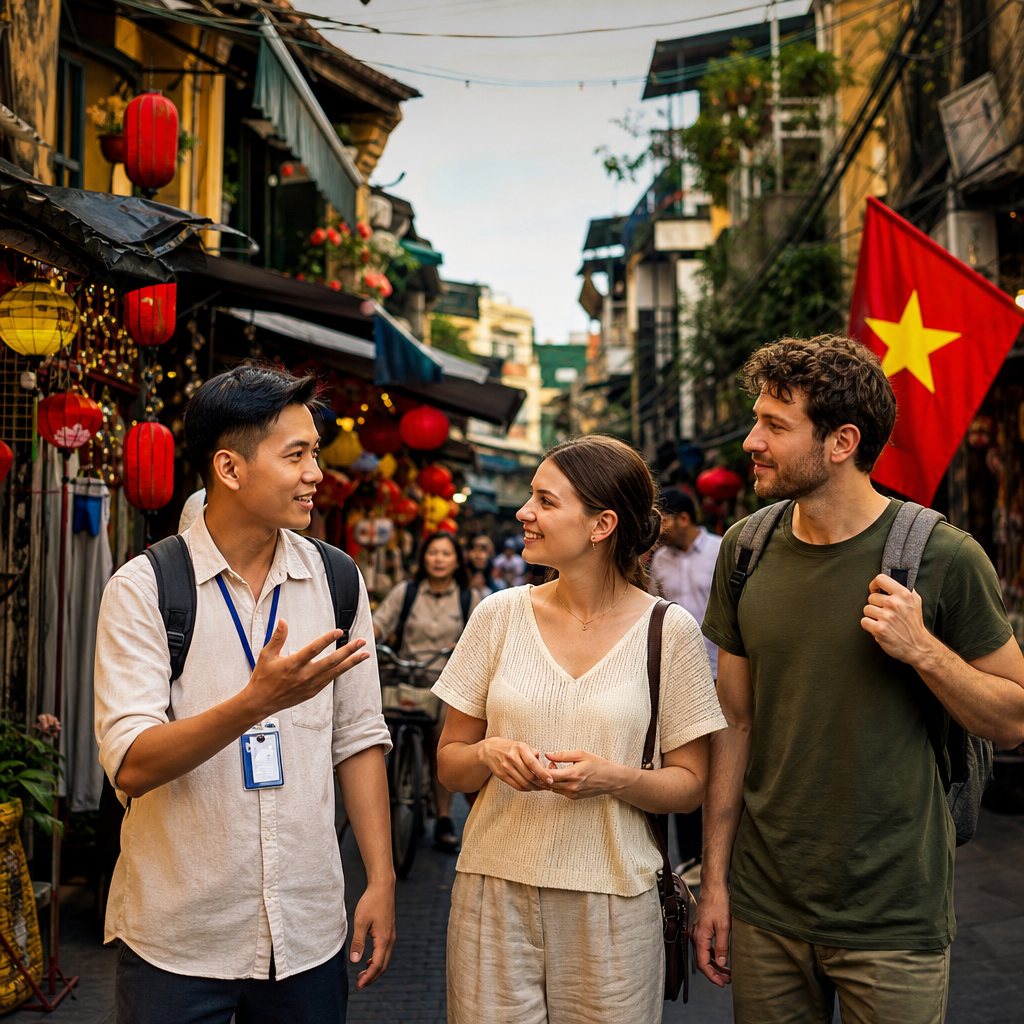
Exploring Hanoi’s Old Quarter Beyond the Landmarks
Hanoi’s Old Quarter combines narrow streets, historic guild traditions, temples, cafés, hotels, and busy everyday commerce. For international visitors, its energy can be exciting but difficult to interpret quickly. A Hanoi Old Quarter local guide can connect visible places with the stories, customs, and practical details that turn a short walk into a more meaningful city experience.
The best exploration is not necessarily the longest itinerary. It is a route designed around walking comfort, opening hours, weather, food preferences, and curiosity. With the right support, visitors can balance famous sights such as Hoan Kiem Lake with quieter lanes, market activity, and conversations about how Hanoi has changed.
A Historic District With a Modern Rhythm
The Old Quarter is commonly associated with its historic 36 streets, whose names reflect traditional crafts and trade activities. Today, those streets also contain restaurants, independent shops, accommodation, offices, and tourism services. This mixture makes the district valuable for travelers who want to observe both heritage and contemporary urban life in one compact area.
Why Context Improves a Short Visit
A local explanation can clarify why streets look different from one another, how neighborhood temples function, and why certain foods or customs matter. It can also help visitors read social situations respectfully, from crossing traffic-filled roads to asking permission before photographing people. These details often matter as much as the headline attractions.
Question 1: Why is local guidance valuable in Hanoi’s Old Quarter?
A local guide adds cultural context, practical navigation, and real-time flexibility that a map or standard sightseeing list cannot provide. For overseas visitors, this support can make the Old Quarter easier to understand and more comfortable to explore.
Turning Streets Into Stories
A guide can explain how commerce shaped the district and point out details that visitors might otherwise pass without noticing. Instead of treating each stop as an isolated photo opportunity, travelers can see links between architecture, craft traditions, religious sites, and present-day businesses. This approach is especially useful for first-time visitors with limited time.
- Local interpretation: Stories connect landmarks with Hanoi’s customs, history, and daily routines.
- Practical navigation: A companion can adjust the route around traffic, heat, rain, or crowd levels.
- Visitor confidence: Clear explanations make unfamiliar interactions and food choices less intimidating.
Support for International Business Travelers
Many foreign visitors combine tourism with meetings, supplier visits, or market research. A professional interpreter-companion can help them use free hours efficiently, communicate basic questions, and understand local etiquette without turning every moment into a formal tour. For business travelers, this creates a smoother bridge between professional schedules and cultural discovery.
Question 2: How should visitors plan an Old Quarter walking route?
Visitors should choose a compact route with a few priority stops, realistic walking time, and room for spontaneous discoveries. A good Hanoi walking tour usually works best when it follows interests rather than trying to cover every street.
Start With Time, Weather, and Interests
Morning walks can suit travelers who prefer cooler temperatures and active markets, while late afternoon routes may offer more atmospheric streets and time near Hoan Kiem Lake. Visitors should tell their guide whether they prioritize architecture, shopping, food, photography, cafés, or local life. This information helps shape a route that feels personal rather than generic.
- Time available: A two-hour walk needs different priorities from a full-day exploration.
- Comfort level: Rest stops and shorter distances matter during hot or humid weather.
- Main interests: Culture, food, design, history, and shopping can each produce a different itinerary.
Build Around Natural Clusters
Grouping nearby locations reduces unnecessary backtracking and leaves more time for observation. A route might combine Hoan Kiem Lake, a historic street, a temple or heritage building, and a carefully selected food stop. The guide can then adjust the sequence based on opening times, street activity, and the traveler’s pace.
Question 3: How can travelers understand the area’s history and culture?
Travelers understand the Old Quarter more deeply by combining visible heritage with explanations of local customs, trade history, religion, and everyday behavior. A Vietnam cultural guide can translate both language and context during the walk.
Look Beyond Architectural Details
Old buildings, tube houses, shopfronts, courtyards, and religious sites reveal how limited urban space has been used over time. However, architecture alone cannot explain why a place matters to residents. A guide can describe how family businesses, neighborhood worship, seasonal celebrations, and commercial change have shaped the district’s character.
Practice Respectful Cultural Observation
Cultural exploration works best when visitors observe without treating local life as a performance. Guides can advise on appropriate clothing for religious sites, photography etiquette, and how to approach vendors or residents politely. They can also explain differences between a tourist-facing activity and a routine that belongs to the neighborhood.
- Ask before photographing: Permission is especially important when photographing individuals or private spaces.
- Follow site customs: Religious and heritage locations may have specific behavior or dress expectations.
- Listen actively: Conversations can reveal perspectives that guidebooks rarely capture.
Question 4: What makes a Hanoi street food experience easier?
A local companion makes street food exploration easier by matching dishes to dietary needs, identifying reputable stalls, explaining ordering customs, and helping visitors communicate. The goal is not simply to eat more, but to understand how Hanoi’s food culture fits into daily life.
Choose Food Stops Intentionally
Hanoi’s food scene includes noodles, grilled dishes, rice-based specialties, snacks, coffee, and desserts, but the best choice depends on timing and personal preferences. A guide can suggest smaller tastings instead of one large meal, allowing visitors to compare flavors while continuing to explore. This format works well for both curious tourists and busy professionals.
- Dietary clarity: Visitors can communicate allergies, dislikes, and restrictions before ordering.
- Local timing: Some dishes are associated with breakfast, lunch, evening, or particular neighborhood rhythms.
- Ordering help: A companion can explain portions, condiments, seating, and payment expectations.
Balance Adventure With Comfort
Travelers do not need to choose between cultural authenticity and basic comfort. A thoughtful guide can combine busy street stalls with established cafés or restaurants and recommend breaks for hydration. Visitors should also use sensible food hygiene practices, including choosing busy vendors with high turnover and carrying hand sanitizer when appropriate.
Question 5: How can visitors personalize a guided exploration?
Visitors can personalize the experience by sharing their schedule, interests, mobility needs, communication preferences, and desired level of independence before the meeting. Flexible support allows an expat city exploration to feel useful rather than prepackaged.
Adapt the Experience to Different Travelers
A solo traveler may want conversation and photography opportunities, while a couple may prefer food and architecture. Families might need shorter walking segments, and returning visitors may want neighborhood details they missed previously. International professionals can also request help with practical communication before or after a business appointment.
Use a Companion for More Than Directions
An interpreter-companion can help visitors move between planned activities and unexpected opportunities. They may assist with simple conversations, explain menus, clarify local transport, or suggest a nearby stop when weather changes. Travelers seeking this kind of tailored support can explore ezgogo.app to connect with professional interpreter-companions in Vietnam.
- Flexible scheduling: Arrange support around meetings, flights, meals, or free evenings.
- Personal interests: Request emphasis on food, crafts, history, shopping, or photography.
- Communication support: Reduce friction when asking questions or handling everyday arrangements.
Conclusion
Exploring Hanoi’s Old Quarter is most rewarding when visitors slow down enough to notice how history, commerce, food, and neighborhood life overlap. A Hanoi Old Quarter local guide can provide the route planning and cultural interpretation needed to move beyond standard sightseeing while keeping the experience comfortable, respectful, and responsive to changing interests.
Whether you are visiting for a weekend, combining tourism with meetings, or settling into Vietnam for longer, local support can make Hanoi easier to read and enjoy. For your next Vietnam business trip or cultural visit, consider exploring interpreter-companions through ezgogo.app.
Sources
Frequently Asked Questions
Question 1: Why is local guidance valuable in Hanoi’s Old Quarter?
A local guide adds cultural context, practical navigation, and real-time flexibility that a map or standard sightseeing list cannot provide. For overseas visitors, this support can make the Old Quarter easier to understand and more comfortable to explore.
Question 2: How should visitors plan an Old Quarter walking route?
Visitors should choose a compact route with a few priority stops, realistic walking time, and room for spontaneous discoveries. A good Hanoi walking tour usually works best when it follows interests rather than trying to cover every street.
Question 3: How can travelers understand the area’s history and culture?
Travelers understand the Old Quarter more deeply by combining visible heritage with explanations of local customs, trade history, religion, and everyday behavior. A Vietnam cultural guide can translate both language and context during the walk.
Question 4: What makes a Hanoi street food experience easier?
A local companion makes street food exploration easier by matching dishes to dietary needs, identifying reputable stalls, explaining ordering customs, and helping visitors communicate. The goal is not simply to eat more, but to understand how Hanoi’s food culture fits into daily life.
Question 5: How can visitors personalize a guided exploration?
Visitors can personalize the experience by sharing their schedule, interests, mobility needs, communication preferences, and desired level of independence before the meeting. Flexible support allows an expat city exploration to feel useful rather than prepackaged.
Need a local companion or interpreter in Vietnam?
Browse verified companions for language support, factory visits, and authentic local experiences.
Find a Companion →