 EZGOGO
Vietnam business dinner etiquette: A Practical Guide
A business dinner in Vietnam can shape a partnership long after the meeting ends. Understanding Vietnam business dinner etiquette helps international visitors handle invitations, introductions, seating, shared dishes, toasts, and sensitive conversation with confidence. As Vietnam strengthens its role in manufacturing, trade, and tourism, cross-cultural business meetings are becoming more common. This practical guide explains the dining customs that matter most, shows how to avoid common misunderstandings, and outlines when interpreter support can keep discussions warm and natural without interrupting the relationship-building process.
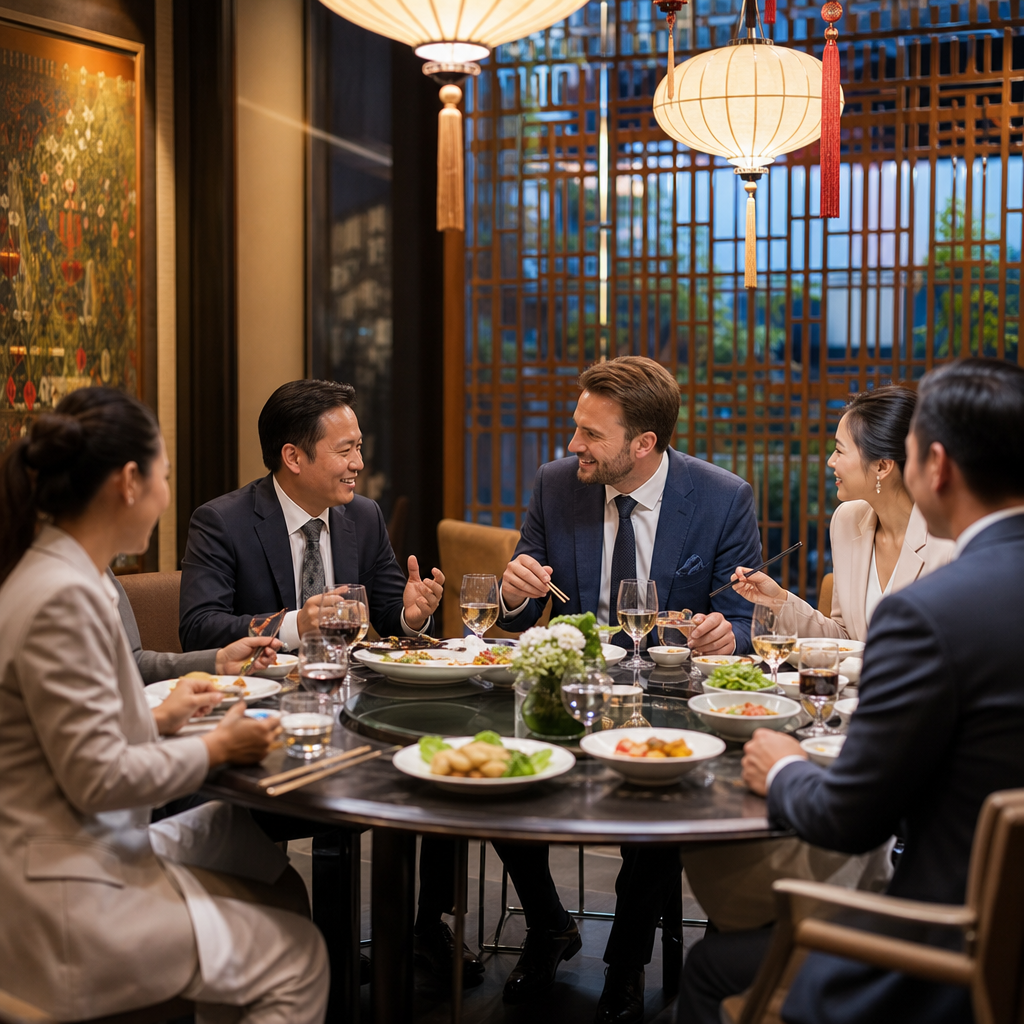
Why Business Dinners Matter in Vietnam
Vietnam’s expanding manufacturing, services, and tourism sectors are bringing more international professionals into local business settings. Official data from the General Statistics Office reported that Vietnam welcomed more than 17.5 million international visitors in 2024, while registered foreign investment remained an important source of economic activity. In this environment, dinners often complement formal meetings by creating space for trust.
Vietnam business dinner etiquette is less about rigid ceremony than showing respect, patience, and interest in the people at the table. A successful meal can make later negotiations easier because partners have seen how guests listen, respond, and participate outside the conference room.
From Formal Meetings to Personal Trust
Vietnamese business culture often places value on relationships developed over time. A dinner invitation may therefore be a meaningful step in business relationship building, not simply a social appointment. Guests should treat the occasion as part of the commercial process while avoiding an overly transactional tone.
Why Cultural Communication Matters
Language is only one part of a successful dinner. The meaning of a pause, a refusal, a toast, or a compliment can depend on context and seniority. Careful observation, respectful questions, and cultural communication support help visitors avoid interpreting every action through their own national habits.
Question 1: How should guests respond to a Vietnamese business dinner invitation?
Respond promptly, confirm the time and location, and ask whether the dinner is formal, family-style, or part of a larger group event. Arriving on time and showing genuine appreciation are usually more important than bringing an elaborate gift.
Confirm the Practical Details
Busy cities such as Hanoi and Ho Chi Minh City can involve heavy traffic, so confirm the restaurant address, expected arrival time, and whether transport has been arranged. If dietary restrictions affect what you can eat, mention them early and courteously rather than refusing dishes without explanation at the table.
- Timing: Allow extra travel time and notify the host promptly if delays are unavoidable.
- Dress: Choose smart, conservative clothing suitable for the restaurant and the seniority of the guests.
- Dietary needs: Explain allergies or religious restrictions clearly before shared dishes arrive.
Bring Appreciation, Not Pressure
A modest gift from your home country can be appropriate when the relationship or occasion warrants it, but it should not look like a commercial inducement. Fruit, specialty food, tea, or a small cultural item may be suitable. When uncertain, follow the host’s lead and focus on conversation rather than ceremony.
Question 2: What should visitors know about seating and introductions?
Wait to be shown where to sit, greet senior participants first, and use professional titles or names as introduced. Seating can reflect hospitality and seniority, so taking the most prominent place without guidance may create an unnecessary impression.
Read the Seating Arrangement
Many Vietnamese meals use a round table with dishes placed in the center for sharing. The host or most senior person may occupy a position of honor, although arrangements vary by restaurant and group. Let the host invite you to sit, and avoid moving seats simply to sit beside a preferred colleague.
Make Introductions Comfortable
Offer a clear greeting, a light smile, and a brief statement about your role. If several people are present, do not worry about remembering every title immediately; ask politely and repeat names naturally. An interpreter can help confirm pronunciation and explain organizational roles when introductions move quickly.
Question 3: How do Vietnamese toasts and shared dishes work?
Participate in toasts when comfortable, make eye contact, and take a modest serving from shared dishes. You do not need to match every drink or accept food that creates a health risk, but you should decline with warmth and offer a brief explanation.
Handle “Một, Hai, Ba, Dzô” Respectfully
Group toasts may include the familiar Vietnamese call “Một, Hai, Ba, Dzô,” meaning “One, two, three, cheers.” Beer and rice wine can appear at business meals, but alcohol is not a reliable measure of commitment. A guest can raise a glass, sip lightly, or use a non-alcoholic drink while remaining engaged.
Share Food With Good Table Manners
Vietnamese dining customs commonly center on communal dishes, with diners using serving utensils or clean chopsticks to take food. Do not reach across others, overload your bowl, or criticize unfamiliar dishes. If a host serves you personally, thank them and try a small portion when it is safe to do so.
Question 4: Which conversation topics help build business relationships?
Begin with neutral subjects such as travel, food, Vietnam’s regions, sport, or professional experience, then move gradually toward business. Avoid forcing sensitive political, historical, or personal questions until you understand the group’s comfort level.
Start With Local Interest
Questions about a city’s food, manufacturing strengths, tourism attractions, or family-friendly travel can open conversation naturally. Vietnam’s regional diversity gives visitors many safe topics, from Hanoi’s history to Ho Chi Minh City’s commercial energy. Listen for cues and let local guests determine how personal the discussion becomes.
Keep Commercial Talk Balanced
A dinner may support negotiations, but it is rarely the ideal time to pressure someone for a final concession. Discuss shared goals, market observations, and next steps without turning every exchange into a sales pitch. This balance signals that you value the relationship as well as the immediate transaction.
Question 5: When should a business traveler use interpreter support?
Use interpreter support when language gaps could affect names, commitments, humor, dietary instructions, or sensitive relationship signals. A skilled interpreter-companion can clarify meaning quietly while allowing the dinner to remain conversational rather than becoming a formal translation session.
Recognize the High-Value Moments
Interpreter support is especially useful when several people speak at once, regional accents are unfamiliar, or technical business terms enter a relaxed conversation. It can also help explain a toast, a polite refusal, or an indirect answer without making either side repeat themselves. For international visitors, ezgogo.app connects foreign businesses with professional interpreter-companions in Vietnam.
- Introductions: Confirm names, titles, company roles, and pronunciation.
- Dining customs: Explain shared dishes, ingredients, toasts, and polite ways to decline.
- Follow-up details: Clarify dates, responsibilities, and next steps before the group leaves.
Keep the Conversation Natural
The best interpreter support does not dominate the table. Before dinner, brief the interpreter on your objectives, preferred terminology, dietary needs, and boundaries. During the meal, speak directly to your counterparts, pause for interpretation when needed, and allow the interpreter to flag cultural nuances that could otherwise be missed.
Conclusion
Vietnam business dinner etiquette rests on respect, patience, and participation. Confirm the invitation, follow seating guidance, share food thoughtfully, join suitable toasts, and let conversation develop before pushing commercial issues. These simple habits help international professionals communicate credibility while giving local partners room to build confidence.
When language or cultural details could complicate an important meal, professional interpreter support can protect the relationship without making the evening feel formal. Before your next Vietnam business trip, explore ezgogo.app to find an interpreter-companion who can help you navigate meetings, dinners, and local business conversations with greater ease.
Sources
Frequently Asked Questions
Question 1: How should guests respond to a Vietnamese business dinner invitation?
Respond promptly, confirm the time and location, and ask whether the dinner is formal, family-style, or part of a larger group event. Arriving on time and showing genuine appreciation are usually more important than bringing an elaborate gift.
Question 2: What should visitors know about seating and introductions?
Wait to be shown where to sit, greet senior participants first, and use professional titles or names as introduced. Seating can reflect hospitality and seniority, so taking the most prominent place without guidance may create an unnecessary impression.
Question 3: How do Vietnamese toasts and shared dishes work?
Participate in toasts when comfortable, make eye contact, and take a modest serving from shared dishes. You do not need to match every drink or accept food that creates a health risk, but you should decline with warmth and offer a brief explanation.
Question 4: Which conversation topics help build business relationships?
Begin with neutral subjects such as travel, food, Vietnam’s regions, sport, or professional experience, then move gradually toward business. Avoid forcing sensitive political, historical, or personal questions until you understand the group’s comfort level.
Question 5: When should a business traveler use interpreter support?
Use interpreter support when language gaps could affect names, commitments, humor, dietary instructions, or sensitive relationship signals. A skilled interpreter-companion can clarify meaning quietly while allowing the dinner to remain conversational rather than becoming a formal translation session.
Need a local companion or interpreter in Vietnam?
Browse verified companions for language support, factory visits, and authentic local experiences.
Find a Companion →