 EZGOGO
Vietnam Factory Visit Interpreter: A Practical Planning Guide
Vietnam’s manufacturing growth is drawing more international buyers, investors, and sourcing teams to industrial parks from the north to the south. A well-planned Vietnam factory visit interpreter can help visitors manage safety briefings, production reviews, supplier questions, and follow-up actions without losing meaning across languages. This guide explains how to prepare before arrival, choose the right interpreting support, communicate effectively on site, and document decisions afterward. It also shows where professional business travel support can make a factory tour more focused, efficient, and useful for long-term commercial relationships.
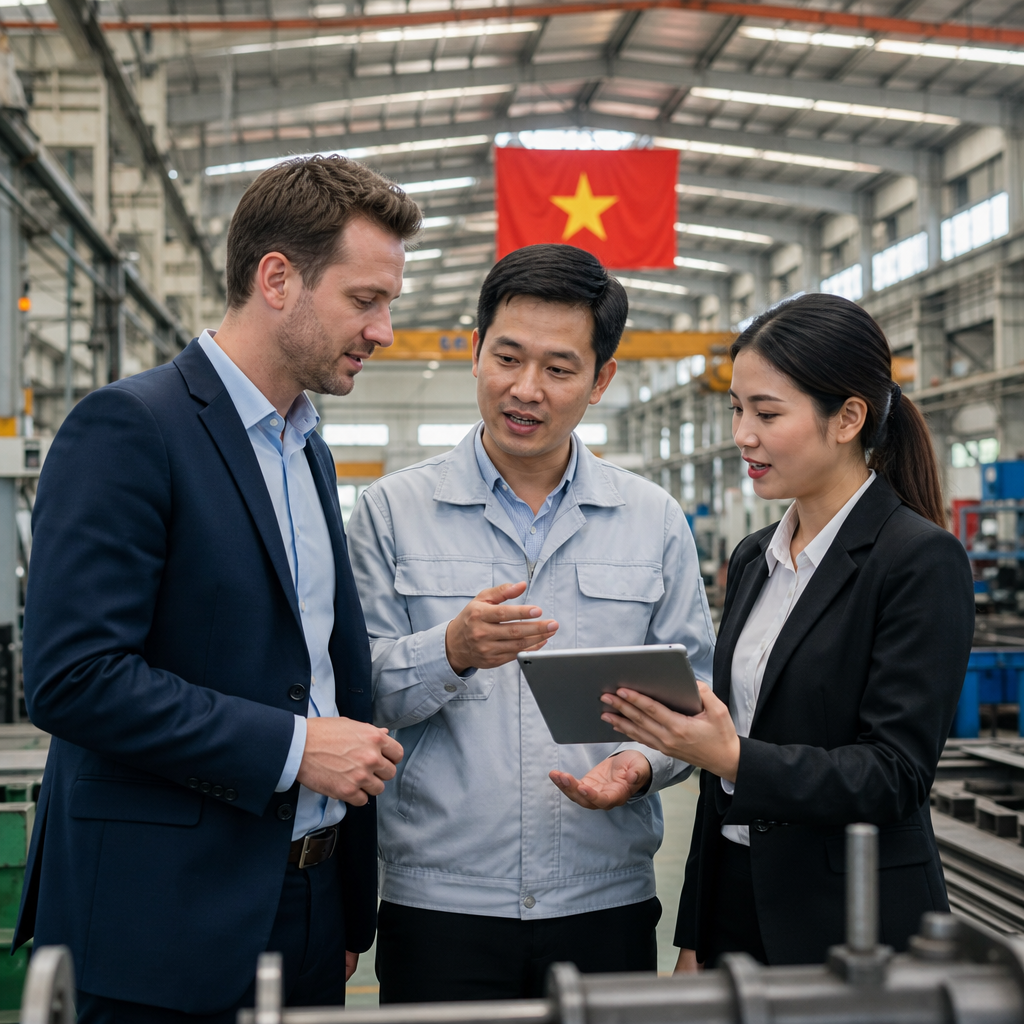
Vietnam’s Factory Visit Opportunity
Vietnam has become an important manufacturing base in Southeast Asia, supporting electronics, textiles, footwear, furniture, machinery, and consumer goods production. The country’s location, trade agreements, and expanding industrial infrastructure continue to attract global companies that want to meet suppliers in person rather than rely only on remote calls.
For international visitors, a factory tour is more than a walk through a production floor. It may include compliance checks, quality discussions, technical demonstrations, contract questions, and conversations with managers. A Vietnam factory visit interpreter helps ensure that commercial and operational details remain clear from arrival through follow-up.
Why in-person supplier meetings matter
Physical visits allow buyers to compare written claims with actual processes, equipment, staffing, and quality controls. They also create opportunities to build trust with owners and production teams. However, a fast-moving site visit can produce misunderstandings when visitors do not share a common working language.
The role of structured interpretation
Professional interpretation is most useful when it is planned around the visit agenda. The interpreter should understand whether the day focuses on sourcing, technical production, auditing, or relationship building. Sharing documents and objectives in advance makes factory tour translation more accurate and keeps discussions moving.
Question 1: Why prepare interpretation before a factory visit?
Preparing interpretation in advance reduces delays, clarifies responsibilities, and helps the interpreter learn the factory’s products, terminology, and safety requirements before the meeting begins.
Build a practical visit brief
Start with the factory address, meeting schedule, attendee list, product categories, and visit objectives. Include questions about capacity, minimum order quantities, certifications, lead times, tooling, packaging, and quality assurance. A concise brief gives the interpreter context and helps identify where precise technical language will matter most.
- Agenda: List arrival, introductions, production-floor time, presentations, and negotiations in order.
- Documents: Share product specifications, inspection checklists, drawings, and contracts when appropriate.
- Boundaries: Confirm which areas may be photographed, recorded, or discussed with staff.
Plan around safety and access
Factories may require helmets, protective footwear, visitor badges, or restricted-zone permissions. Ask the supplier about these requirements before travel and tell the interpreter what protective equipment is needed. Clear preparation supports site visit communication while showing respect for the facility’s operating rules.
Question 2: How should you choose an interpreter?
Choose an interpreter with strong Vietnamese and English skills, relevant manufacturing vocabulary, professional discretion, and experience accompanying international visitors in industrial settings.
Match expertise to the factory
A textile plant, electronics assembler, food processor, and machinery supplier all use different terminology. Ask whether the interpreter has handled factory tours, supplier audits, technical demonstrations, or purchasing meetings. A manufacturing interpreter Vietnam assignment may require both consecutive interpreting and the ability to explain local business context without changing the speaker’s meaning.
- Industry familiarity: Look for experience with the relevant product and production process.
- Communication style: Select someone who can interpret clearly without dominating the meeting.
- Confidentiality: Confirm expectations for company information, pricing, designs, and photographs.
Consider the full travel schedule
Many factory visits involve airport transfers, hotel check-in, industrial parks, meals, and multiple meetings across several days. An interpreter-companion can provide continuity beyond the production floor, helping visitors navigate schedules and practical questions. Services such as ezgogo.app can connect foreign businesses with professional interpreter-companions in Vietnam.
Question 3: What should happen during the site visit?
During the visit, the interpreter should translate accurately in manageable segments, clarify unfamiliar terms, and help both sides follow the agreed agenda without interrupting safety procedures.
Begin with a safety briefing
The factory’s safety induction should come before the tour begins. Visitors need to understand emergency exits, restricted areas, vehicle routes, protective equipment, and photography rules. Interpretation should be direct and complete because missing a safety instruction can create risks for visitors and factory employees.
Keep production discussions organized
On a noisy production floor, long explanations are difficult to hear and interpret. Ask speakers to pause after a few sentences and allow time for questions. Where possible, record decisions in a shared note covering equipment, process controls, inspection points, and any promised documents.
- Use short segments: Pause regularly so the interpreter can preserve detail.
- Confirm figures: Repeat quantities, dates, tolerances, and currency before moving on.
- Respect the route: Follow the host’s planned path and avoid unsafe interruptions.
Question 4: How can visitors improve supplier communication?
Visitors improve supplier communication by asking specific, neutral questions and confirming important answers through documents, samples, demonstrations, or written action points.
Ask questions that can be verified
Instead of asking whether a supplier is “good,” ask how it measures defect rates, manages incoming materials, approves changes, and handles late deliveries. Request evidence such as inspection records, process maps, certifications, or sample reports. The interpreter can help distinguish a firm commitment from a general assurance.
Manage cultural and business context
Vietnamese business meetings may place importance on introductions, seniority, hospitality, and relationship development before detailed negotiation. That does not remove the need for clear commercial questions. A skilled interpreter can explain context when necessary while allowing the foreign visitor and supplier to speak directly and respectfully.
For international teams, business travel support can also reduce friction outside formal meetings. Help with transport timing, local directions, meal arrangements, and schedule changes gives visitors more time to focus on supplier evaluation and strategic decisions.
Question 5: What should happen after the factory tour?
After the tour, send a written summary of findings, open questions, owners, and deadlines, then use the interpreter to confirm any points that remained unclear.
Turn observations into actions
Within 24 hours, organize notes under production capability, quality, compliance, pricing, capacity, logistics, and next steps. Separate verified observations from claims requiring evidence. This creates a practical record for colleagues who did not attend and makes supplier comparisons more consistent.
Follow up professionally
Send the supplier a concise recap and request missing documents by specific dates. If technical or commercial language could be interpreted in more than one way, ask the interpreter to review the wording before it is sent. Consistent follow-up helps protect the relationship while keeping the evaluation objective.
- Confirm ownership: Name the person responsible for each document or action.
- Set deadlines: Use exact dates rather than vague promises such as “soon.”
- Track changes: Record revised prices, specifications, samples, or delivery assumptions.
Conclusion
A successful Vietnam factory visit depends on preparation as much as time on the production floor. Define objectives, brief the interpreter, plan safety procedures, ask verifiable questions, and document every important commitment. The right Vietnam factory visit interpreter can help international teams understand both operational details and the business context surrounding supplier decisions.
Whether you are visiting an established supplier or exploring a new manufacturing partner, practical communication support can make the trip more efficient and less stressful. Explore EZGOGO interpreter-companions at ezgogo.app when planning your next Vietnam business trip.
Sources
Frequently Asked Questions
Question 1: Why prepare interpretation before a factory visit?
Preparing interpretation in advance reduces delays, clarifies responsibilities, and helps the interpreter learn the factory’s products, terminology, and safety requirements before the meeting begins.
Question 2: How should you choose an interpreter?
Choose an interpreter with strong Vietnamese and English skills, relevant manufacturing vocabulary, professional discretion, and experience accompanying international visitors in industrial settings.
Question 3: What should happen during the site visit?
During the visit, the interpreter should translate accurately in manageable segments, clarify unfamiliar terms, and help both sides follow the agreed agenda without interrupting safety procedures.
Question 4: How can visitors improve supplier communication?
Visitors improve supplier communication by asking specific, neutral questions and confirming important answers through documents, samples, demonstrations, or written action points.
Question 5: What should happen after the factory tour?
After the tour, send a written summary of findings, open questions, owners, and deadlines, then use the interpreter to confirm any points that remained unclear.
Need a local companion or interpreter in Vietnam?
Browse verified companions for language support, factory visits, and authentic local experiences.
Find a Companion →