 EZGOGO
Vietnam food culture guide: Book Authentic Local Tours
Vietnam’s food culture is best understood beyond restaurant rankings and sightseeing checklists. A Vietnam food culture guide can help international visitors match dishes, neighborhoods, transport and cultural experiences to their interests, dietary needs and schedule. From Hanoi’s street-food traditions to Ho Chi Minh City’s lively markets and Da Nang’s coastal cuisine, local expertise can make a short itinerary more rewarding. This practical guide explains how to choose a local companion, plan safe and authentic routes, communicate preferences and arrange dependable cultural travel support through EZGOGO.
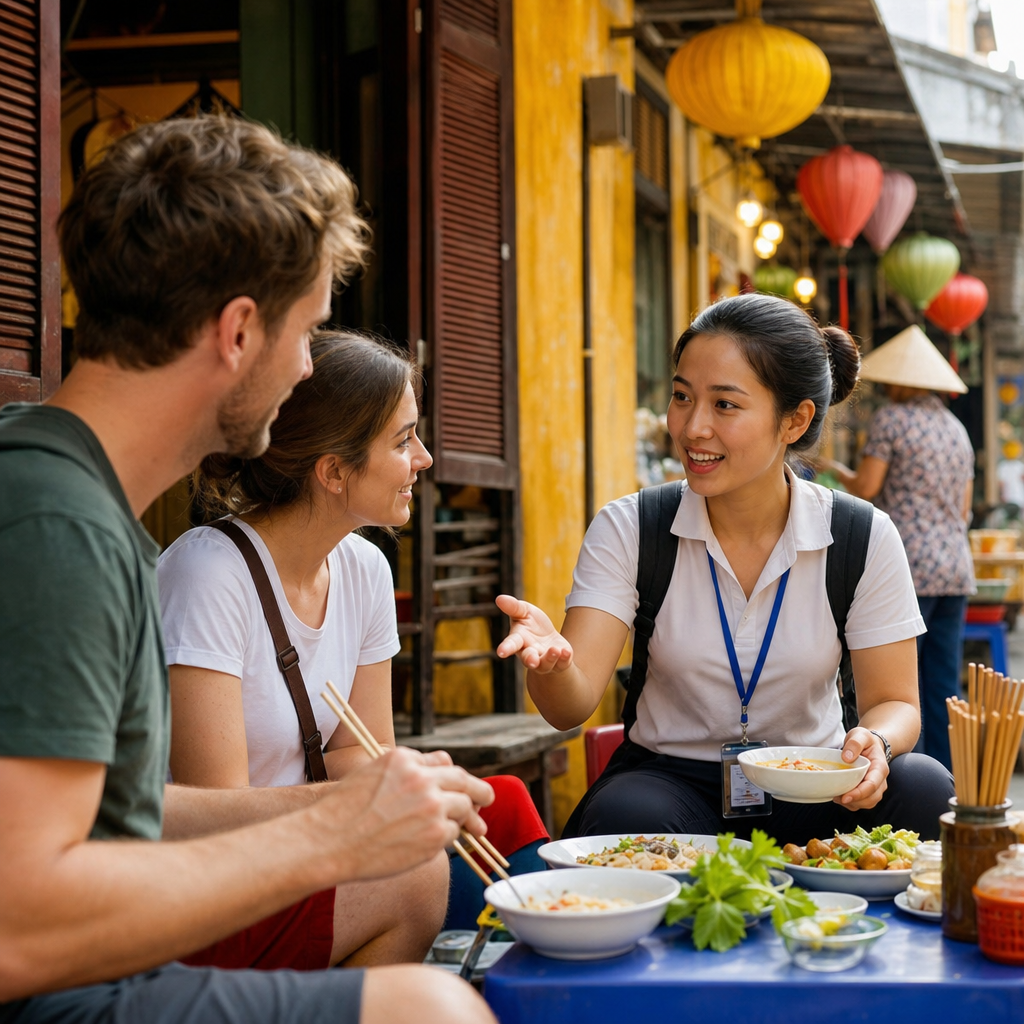
Planning an Authentic Vietnam Food and Culture Tour
Vietnam’s regional cuisines reflect geography, history and daily life, so a food-focused itinerary can reveal much more than famous dishes. Hanoi is known for distinctive northern flavors, Ho Chi Minh City offers a broad southern dining scene, and Da Nang connects central cuisine with beaches and heritage destinations.
For international visitors, the main challenge is turning broad interests into a realistic route. A Vietnam food culture guide can help select neighborhoods, explain local etiquette, arrange practical transport and adapt stops to the traveler’s pace.
From famous dishes to everyday neighborhoods
Popular foods such as pho, banh mi and bun cha are useful starting points, but authentic discovery often happens in ordinary markets, family-run eateries and specialized food streets. A local perspective helps visitors understand when locals eat, how dishes are ordered and which areas fit their interests.
Why local context improves cultural travel
Food tours work best when meals connect with places and people. A guide may pair a market visit with a walk through an old quarter, explain regional ingredients or identify a neighborhood event that is difficult to find through standard travel listings.
Question 1: What should travelers decide before booking?
Travelers should define their destination, available time, food interests, walking tolerance and preferred level of local interaction before booking. These details allow a guide to build a focused route instead of a generic checklist.
Set priorities for the itinerary
Begin with two or three priorities, such as street food, coffee, markets, cooking techniques, architecture or historical context. A half-day route may suit first-time visitors, while a full-day plan can combine breakfast, a market, lunch, cultural sites and an evening food stop.
- Food style: Choose street stalls, sit-down restaurants, markets or a balanced combination.
- Cultural interests: Include neighborhoods, temples, museums, craft areas or local traditions.
- Travel pace: Explain whether the group prefers walking, short transfers, breaks or intensive exploration.
Match the route to the group
Families, solo travelers and business visitors may need very different experiences. A group arriving after a long flight could prefer a compact evening route, while repeat visitors may want specialist coffee, regional cooking or lesser-known districts away from major tourist centers.
Question 2: Which Vietnamese destinations suit different food interests?
Hanoi suits travelers seeking northern classics and historic streets, Ho Chi Minh City fits visitors interested in variety and energetic markets, and Da Nang offers central Vietnamese cuisine alongside coastal experiences.
Hanoi’s northern food and heritage
Hanoi’s Old Quarter and surrounding districts offer opportunities to explore dishes associated with northern Vietnam, including pho, bun cha and egg coffee. A local guide Hanoi itinerary can also connect food stops with lake walks, historic lanes and explanations of how the capital’s urban culture has changed.
Southern variety and central flavors
A Ho Chi Minh City food tour can include markets, street-side eateries, bakeries and restaurants serving influences from across Vietnam. Da Nang experiences may combine seafood, central specialties and nearby cultural attractions, making the city practical for travelers who want cuisine, scenery and a manageable base.
Question 3: How can visitors manage transport and timing?
Visitors should group nearby stops, allow extra time for traffic and confirm the transport plan with their guide before departure. Walking, taxis, ride-hailing services and private vehicles each suit different routes and group sizes.
Build a geographically sensible route
Efficient planning reduces time spent crossing a large city between meals. A guide can arrange a market, restaurant and cultural site within the same area, while reserving longer transfers for destinations that genuinely add value to the itinerary.
- Walking routes: Work well for compact historic districts and short food crawls.
- Motorbike or car transfers: Help connect separated neighborhoods and reduce heat exposure.
- Flexible timing: Protects the schedule when queues, weather or traffic cause delays.
Plan around real operating conditions
Markets and small eateries may open at specific times, sell out of popular dishes or change schedules during holidays. Confirming opening hours, meeting points and payment expectations in advance makes the day smoother, especially for visitors unfamiliar with local transport or Vietnamese addresses.
Question 4: How should dietary and cultural needs be communicated?
Travelers should state allergies, religious restrictions, vegetarian or vegan preferences and comfort levels clearly before the tour. A local companion can translate questions, identify ingredients and suggest suitable alternatives, but visitors should still carry any essential medical information.
Explain restrictions precisely
“Vegetarian” can mean different things in different settings, and sauces or broths may contain fish, seafood or meat products. Guests should specify whether they avoid eggs, dairy, fish sauce, shellfish, peanuts or cross-contact so the guide can screen dishes and communicate with vendors.
Respect local dining customs
Some Vietnamese meals are shared, while street food may involve small stools, limited menus and cash payments. Cultural travel support helps visitors understand ordering, table etiquette and appropriate behavior without turning the meal into a staged performance.
Question 5: How can travelers choose a reliable local companion?
Choose a companion with clear communication, relevant city knowledge, transparent availability and the ability to adapt the itinerary. Reviews, profile details and a pre-trip conversation can help confirm whether the person matches the group’s expectations.
Check practical experience
Ask whether the companion regularly works with international visitors, understands the requested neighborhoods and can assist with translation or transport. For business travelers, the same local knowledge can support informal networking meals, market visits or cultural activities around a busy schedule.
- Communication: Confirm language ability and how quickly questions are answered.
- Customization: Check whether food, mobility, timing and neighborhood preferences can be accommodated.
- Clarity: Confirm inclusions, meeting points, transportation responsibilities and payment terms.
Use a structured booking process
A marketplace such as ezgogo.app can make it easier to compare interpreter-companions for Vietnam visits. Share the proposed route, group profile and dietary needs in advance, then agree on the schedule so both traveler and companion understand the plan.
Conclusion
Planning a Vietnam food culture guide experience starts with practical decisions: choose the right city, define the group’s interests, communicate dietary needs and build a route that respects traffic and opening times. Local knowledge can turn a collection of meals into a clearer, more comfortable introduction to Vietnam’s regional food and everyday culture.
Whether the plan centers on Hanoi, Ho Chi Minh City or Da Nang, a dependable local companion can help international visitors navigate details with confidence. Explore ezgogo.app when arranging your next Vietnam business or leisure trip and find support suited to your itinerary.
Sources
- GSO Vietnam — Socio-economic situation in the fourth quarter and 2023
- Reuters — Vietnam welcomes record foreign tourists
- Vietnam Briefing — Vietnam’s Tourism Sector Outlook
- Vietnam National Authority of Tourism — A foodie’s guide to Vietnam
- Vietnam National Authority of Tourism — Top things to do in Hanoi
Frequently Asked Questions
Question 1: What should travelers decide before booking?
Travelers should define their destination, available time, food interests, walking tolerance and preferred level of local interaction before booking. These details allow a guide to build a focused route instead of a generic checklist.
Question 2: Which Vietnamese destinations suit different food interests?
Hanoi suits travelers seeking northern classics and historic streets, Ho Chi Minh City fits visitors interested in variety and energetic markets, and Da Nang offers central Vietnamese cuisine alongside coastal experiences.
Question 3: How can visitors manage transport and timing?
Visitors should group nearby stops, allow extra time for traffic and confirm the transport plan with their guide before departure. Walking, taxis, ride-hailing services and private vehicles each suit different routes and group sizes.
Question 4: How should dietary and cultural needs be communicated?
Travelers should state allergies, religious restrictions, vegetarian or vegan preferences and comfort levels clearly before the tour. A local companion can translate questions, identify ingredients and suggest suitable alternatives, but visitors should still carry any essential medical information.
Question 5: How can travelers choose a reliable local companion?
Choose a companion with clear communication, relevant city knowledge, transparent availability and the ability to adapt the itinerary. Reviews, profile details and a pre-trip conversation can help confirm whether the person matches the group’s expectations.
Need a local companion or interpreter in Vietnam?
Browse verified companions for language support, factory visits, and authentic local experiences.
Find a Companion →