 EZGOGO
Vietnam Site Inspection Interpreter: Planning Guide for Teams
Supplier audits, construction reviews, and technical inspections in Vietnam often move quickly across noisy, specialized sites. A Vietnam site inspection interpreter helps international teams communicate clearly, but success depends on more than booking language support. This guide explains how to arrange consecutive interpretation Vietnam teams can use effectively, from scheduling and safety briefings to technical vocabulary and structured questions. It also outlines practical steps for factory inspection support, multilingual site visits, and follow-up reporting, helping overseas buyers and project managers reduce misunderstandings while making better decisions on the ground.
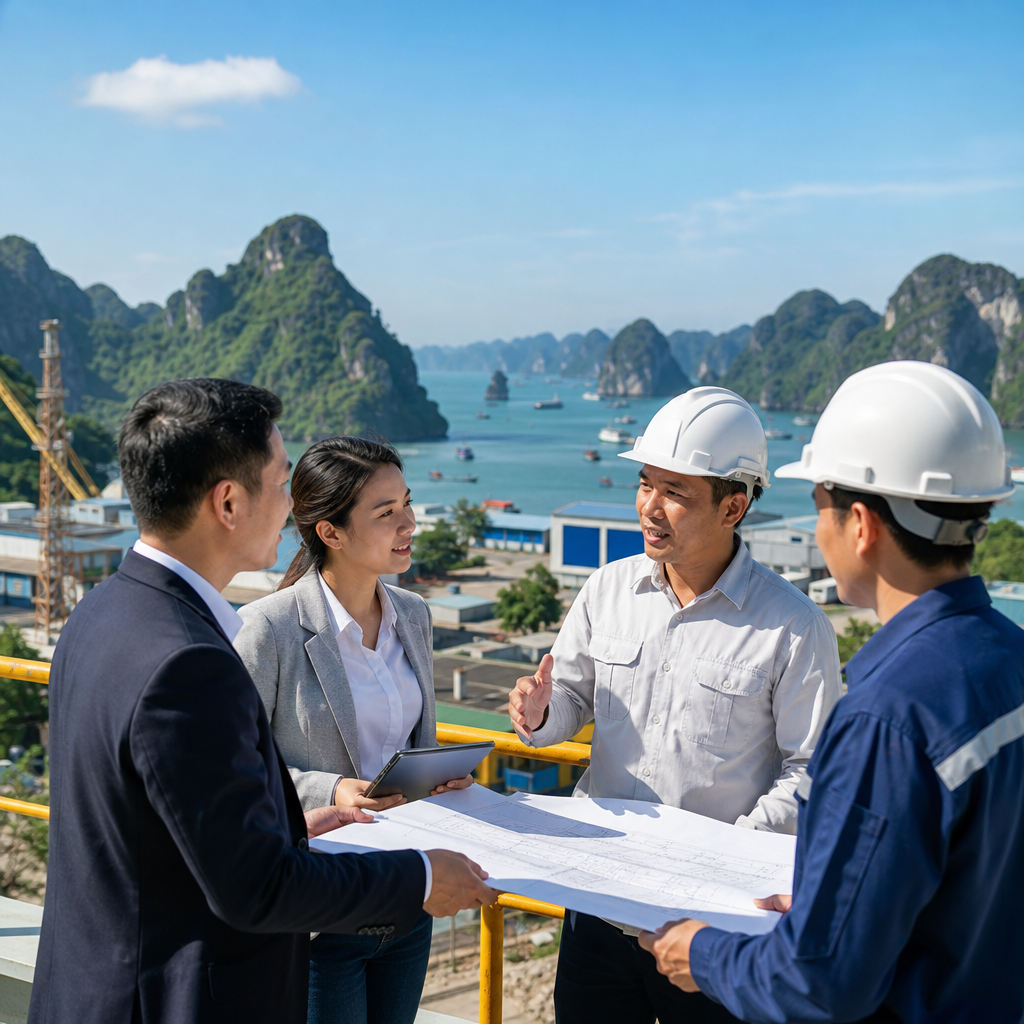
Planning Effective Vietnam Site Inspections
Vietnam remains a major manufacturing and investment destination in Southeast Asia, with electronics, machinery, textiles, construction, and logistics drawing international teams. Site visits are therefore becoming more detailed and time-sensitive. A Vietnam site inspection interpreter can help visitors understand technical explanations, verify answers, and communicate respectfully with local managers and workers.
Interpretation is most effective when treated as part of the inspection plan rather than an emergency add-on. Teams should define the visit’s purpose, share documents in advance, and reserve enough time for movement between production areas. These steps create a clearer process for supplier audits, construction reviews, and quality-control checks.
Why site visits require more than everyday language
Factory floors and construction sites combine specialized terminology, background noise, safety restrictions, and rapid exchanges. A general conversation may not cover tolerances, production stages, compliance records, materials, or corrective actions. Professional interpretation helps preserve meaning while allowing the visiting team to focus on evidence and decisions.
The value of structured preparation
Vietnam’s General Statistics Office reported continued importance for manufacturing and foreign-invested activity in the national economy. As supply chains become more complex, international buyers increasingly need organized communication during multilingual site visits. A short briefing before arrival can prevent repeated explanations and make the inspection schedule more realistic.
Question 1: When should interpretation be arranged?
Interpretation should be arranged as soon as the inspection date, site, and participants are reasonably known—ideally one to two weeks ahead for routine visits and earlier for complex audits.
Match the interpreter to the inspection type
Start by identifying whether the visit involves supplier qualification, production monitoring, construction progress, machinery commissioning, or a regulatory review. Each setting uses different vocabulary and may require different experience. Factory inspection support is stronger when the interpreter understands the sequence of operations and the documents being reviewed.
- Factory audits: Confirm experience with quality systems, production controls, and corrective-action discussions.
- Construction reviews: Check familiarity with drawings, work stages, materials, and site coordination.
- Technical inspections: Request comfort with equipment specifications, measurements, and maintenance terms.
Build a realistic schedule
Consecutive interpretation Vietnam visits require pauses after a speaker’s statement so the interpreter can convey the meaning accurately. A two-hour meeting may take longer when it includes a site walk, document checks, and questions. Add time for security registration, personal protective equipment, transport between buildings, and unplanned demonstrations.
Question 2: What information should teams share beforehand?
Share the agenda, site layout, participant list, technical documents, and key questions before arrival so the interpreter can prepare accurate terminology and context.
Create a practical briefing pack
The briefing pack does not need to be long, but it should identify the inspection objective and expected outcomes. Include company and product names, process diagrams, purchase-order references, audit checklists, and known concerns. If documents are confidential, provide only the pages needed for the visit and clarify handling requirements.
- Agenda: List arrival, introductions, production areas, interviews, evidence review, and closing discussion.
- Participants: Explain each person’s role, authority, and preferred working language.
- Questions: Separate priority questions from topics that can be handled later in writing.
Prepare technical vocabulary
Technical vocabulary preparation is particularly useful when a single term can affect a finding or commercial decision. Build a bilingual glossary for measurements, defects, materials, standards, equipment parts, and process steps. Ask the interpreter to flag ambiguous terms before the visit rather than improvising during a critical exchange.
Question 3: How should safety and technical language be managed?
Include the interpreter in the site safety briefing, use short statements, and confirm important technical details through repetition, written figures, or visible evidence.
Make safety part of the assignment
Manufacturing and construction sites may require helmets, safety shoes, high-visibility clothing, eye protection, or restricted movement. The interpreter should know these requirements in advance and receive the same induction as visitors. Interpretation should never require someone to stand in an unsafe location or interrupt a hazardous operation.
Before entering the site, agree on signals for stopping a conversation, moving to a quieter area, or postponing a question. Noise, machinery, and protective equipment can make normal speech unreliable. A short pause in a safe location is often more accurate than attempting to interpret while walking beside active equipment.
Verify numbers and technical details
Numbers, units, dates, model codes, and acceptance limits deserve special attention. Ask speakers to display figures on a document or screen, then repeat the interpreted information back for confirmation. This method reduces errors involving decimals, currencies, dimensions, batch quantities, and production capacities.
Question 4: How can teams control questions on site?
Use a question log, ask one question at a time, and allow the interpreter to complete each exchange before moving to a new topic.
Organize questions by priority
A long inspection can lose focus when every participant asks questions as they arise. Assign one lead questioner and group topics by production, quality, delivery, compliance, and commercial follow-up. The interpreter can then maintain context and help the host respond to the precise issue rather than several overlapping requests.
- Critical findings: Ask these first while relevant managers and records are available.
- Clarifications: Record questions that need documents, measurements, or later verification.
- Follow-up items: Assign an owner and deadline before leaving the site.
Keep the exchange consecutive
In consecutive interpretation Vietnam assignments, speakers should use short segments and avoid switching topics mid-sentence. The interpreter conveys each segment, while the questioner listens for meaning instead of preparing a second question. This rhythm may feel slower, but it produces a clearer record and gives the host a fair opportunity to answer.
Question 5: What should happen after the inspection?
End with a bilingual summary of findings, responsibilities, deadlines, and unresolved questions, then use the interpreter to support written follow-up where needed.
Hold a structured closing meeting
The closing meeting should distinguish observed facts from opinions and proposed solutions. Review major findings, evidence requested, corrective actions, and the date for responses. The interpreter can help ensure that both sides understand whether an item is an immediate concern, a recommendation, or a formal contractual requirement.
Invite the host to correct factual misunderstandings before the group leaves. This is not a negotiation shortcut; it is a quality-control step. A concise recap also helps internal teams compare what was seen on site with later documents, photographs, test results, and supplier commitments.
Document next steps clearly
After the visit, circulate the question log and action list while details remain fresh. Where possible, include the original wording, translated meaning, responsible person, and deadline. For recurring multilingual site visits, retain the approved glossary so future interpreters and project teams use consistent terms.
International visitors can also use ezgogo.app to explore interpreter-companions suited to business travel and on-site communication needs in Vietnam. Matching language support to the location and assignment can make follow-up more efficient, especially when several meetings occur across different provinces.
Conclusion
A successful Vietnam site inspection interpreter assignment begins before anyone enters the facility. Confirm the purpose, schedule enough time for consecutive interpretation, share technical materials, include safety requirements, and manage questions through a clear log. These practices help international teams obtain reliable answers without disrupting production or compromising site safety.
For supplier audits, construction reviews, and technical inspections, preparation turns language support into a practical project tool. Teams planning their next Vietnam business trip can explore interpreter-companions through ezgogo.app and arrange support that fits the site, schedule, and communication goals.
Sources
- General Statistics Office of Vietnam — Socio-economic situation in the fourth quarter and 2023
- Reuters — Vietnam economy grows 7.09% in 2024, government says
- Vietnam Briefing — Vietnam Manufacturing Sector: Growth and Outlook
- International Labour Organization — Viet Nam occupational safety and health profile
Frequently Asked Questions
Question 1: When should interpretation be arranged?
Interpretation should be arranged as soon as the inspection date, site, and participants are reasonably known—ideally one to two weeks ahead for routine visits and earlier for complex audits.
Question 2: What information should teams share beforehand?
Share the agenda, site layout, participant list, technical documents, and key questions before arrival so the interpreter can prepare accurate terminology and context.
Question 3: How should safety and technical language be managed?
Include the interpreter in the site safety briefing, use short statements, and confirm important technical details through repetition, written figures, or visible evidence.
Question 4: How can teams control questions on site?
Use a question log, ask one question at a time, and allow the interpreter to complete each exchange before moving to a new topic.
Question 5: What should happen after the inspection?
End with a bilingual summary of findings, responsibilities, deadlines, and unresolved questions, then use the interpreter to support written follow-up where needed.
Need a local companion or interpreter in Vietnam?
Browse verified companions for language support, factory visits, and authentic local experiences.
Find a Companion →